 EN
EN

Critical Considerations When Selecting Pickleball Paddle Sizes
When considering what size pickleball paddle to buy, a range of factors come into play, ensuring that there isn’t a paddle that fits all players due to the size of the paddle directly affecting the comfort, performance of your game, and the risk of developing injuries due to improper paddle fit. Major contributing factors to size selection include the size of one's hands, the style of play, and one's physical build. For example, players with larger hands will most likely prefer and benefit from a paddle that is both longer and wider, one that will provide them a better grip and a better reach, compared to smaller hand players, who would do better with a more compact paddle. In the case of more aggressive players who play with very powerful shots, a larger paddle may be preferred due to the larger size of the sweet spot, while more control-type players that play with more precise shots would likely prefer a smaller and more streamlined paddle.
Understanding Paddle Dimensions and USAPA Standards
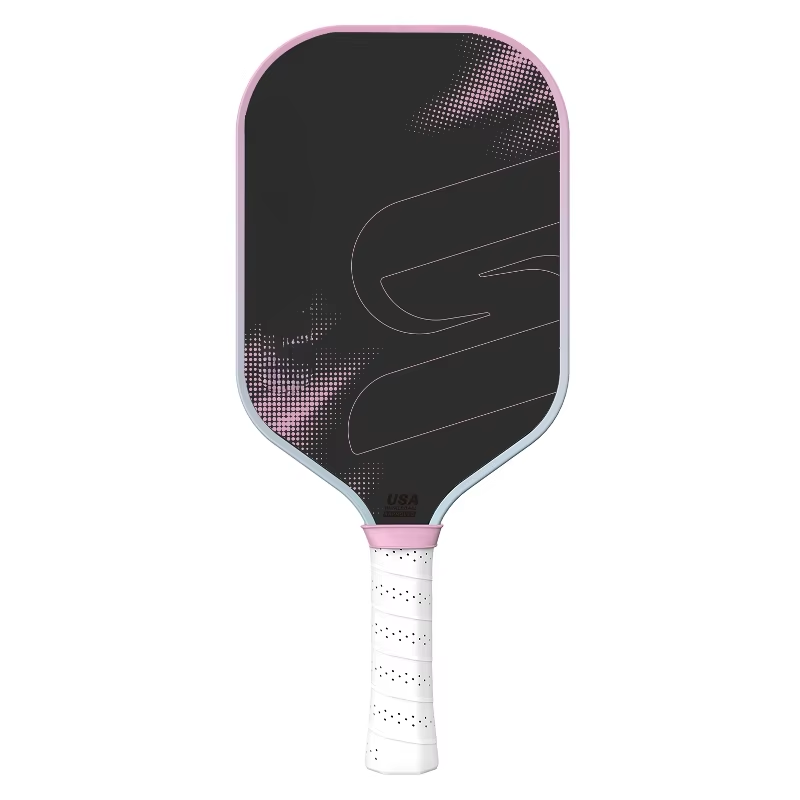
Paddle dimensions and USAPA certification is vital when playing competitively as USAPA standards include a maximum length of 17 inches and a width of no more than 7.87 inches. Paddles cannot exceed 86 inches paddle surface area. These standards maintain fair and balanced competition to keeping the game as a sport. For instance, a popular paddle within recreational and intermediate play is 16 inches in length and 7.5 inches in width. He added USAPA paddles include being certification to these measurements, especially when playing USAPA tournaments.
Matching Paddle Size to Playing Style
Your playing style should primarily guide your decision when it comes to paddle size. Where power hitters do best with bigger paddles, as the added surface can create more momentum, and with a bigger sweet spot, and less risk to mis-hit, it provides an advantage to players that are smash and drive heavy. Control players though, the ones who do best with the dinking and drop shots, require paddles that can offer responsiveness and placement. Smaller paddles with a narrower width are more hand quick and offer better ball control. Many pro players adjust their paddle size based on the conditions on the court. For example, in the wind, a smaller paddle can offer good shot stability.
Hand Size and Ergonomics
The most important ergonomic consideration when choosing a paddle is hand size. To get a fit measurement, stretch your hand out and measure the distance from the base of your palm to the tip of your middle finger. Players who have hand lengths longer than 7.5 inches typically find that they fit full size paddles better, which provide enough grip space making it comfortable to the wrist. Players who have hand sizes smaller than 6.5 inches may find it more comfortable to alternately use smaller paddles to prevent full size paddles, which lead to excessive reaching and could tire and lower their performance. A properly sized paddle enables a natural grip to loosen the forearms, which avoids excessive muscle tension and results in a higher level of performance for longer matches. Many players ignore this aspect, but is a vital factor in preventing injuries.
Real World Feedback and Practical Insights
So many players have noted how changing paddle size has positively impacted their game. One recreational player with small hands reported that switching to a compact paddle eased wrist pain and improved her dinking accuracy by 30%. Another competitive player said that a paddle that is a bit longer helped her cover more court area during doubles and resulted in more successful returns. These examples show how valuable it is to experiment with different paddle sizes. Also, paddle size can also be matched with one’s strength. Players with less upper body strength may find that smaller, lighter, and thinner paddles are easier to maneuver and can be a better fit, and the same with paddles that can be powered more by upper body strength.
Size Related Mistakes To Avoid
Most new players assume that picking the biggest paddle will make everything easier. This isn’t the case. Oversized paddles can be slow and make it difficult to react to shots. On the other hand, a paddle that is too small can limit your reach and make it difficult to return wide shots. Ignoring the USAPA standards when buying paddles to compete with is a disqualifying mistake that is easily made. Pick a paddle that fits you instead of one that looks cool or comes from a fancy brand. Reputations and good looks mean nothing. They will not help you play better. Doing research will help you find the right paddles that will help your performance.
Final Recommendations for Selecting Paddle Size
Finding the right size pickleball paddle is not a straightforward process. However, starting with a few simple steps will make it easy. To begin, measure your hands and decide on your main type of play. If you have the opportunity to test various sizes, like through a rental program or a demo day, see how you like each size. If you are planning on playing in tournaments, check to make sure the paddle has USAPA certification. A good rule of thumb is to choose a paddle that you are comfortable with and that you can control rather than worrying about how powerful it is. The right size paddle will fit your hands and your style of play, which will enhance your overall enjoyment of the game. From your first time on the court to years of playing competitively, the right size paddle is an essential aspect of the game.