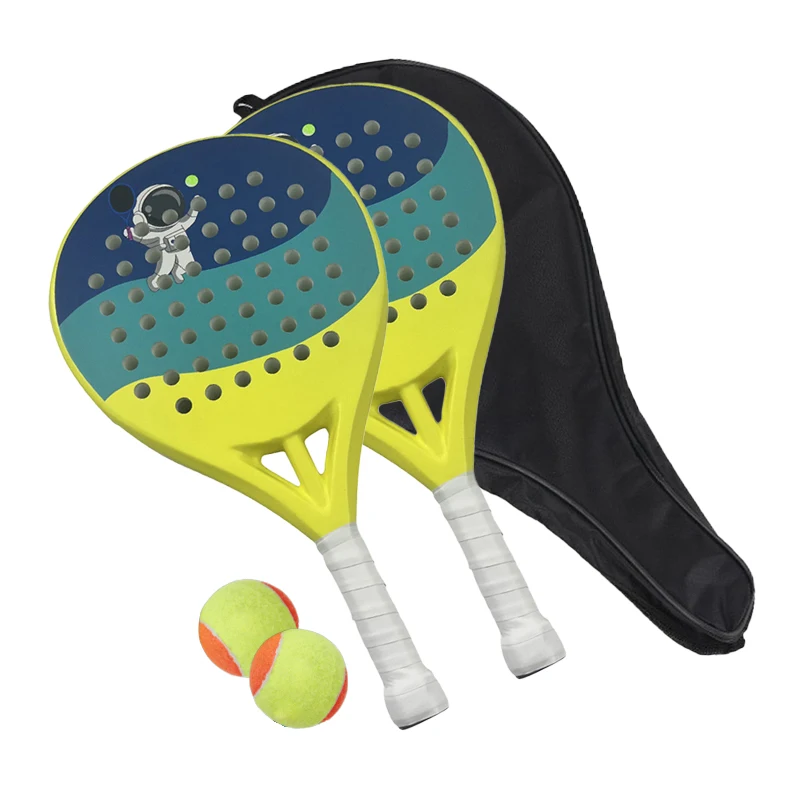
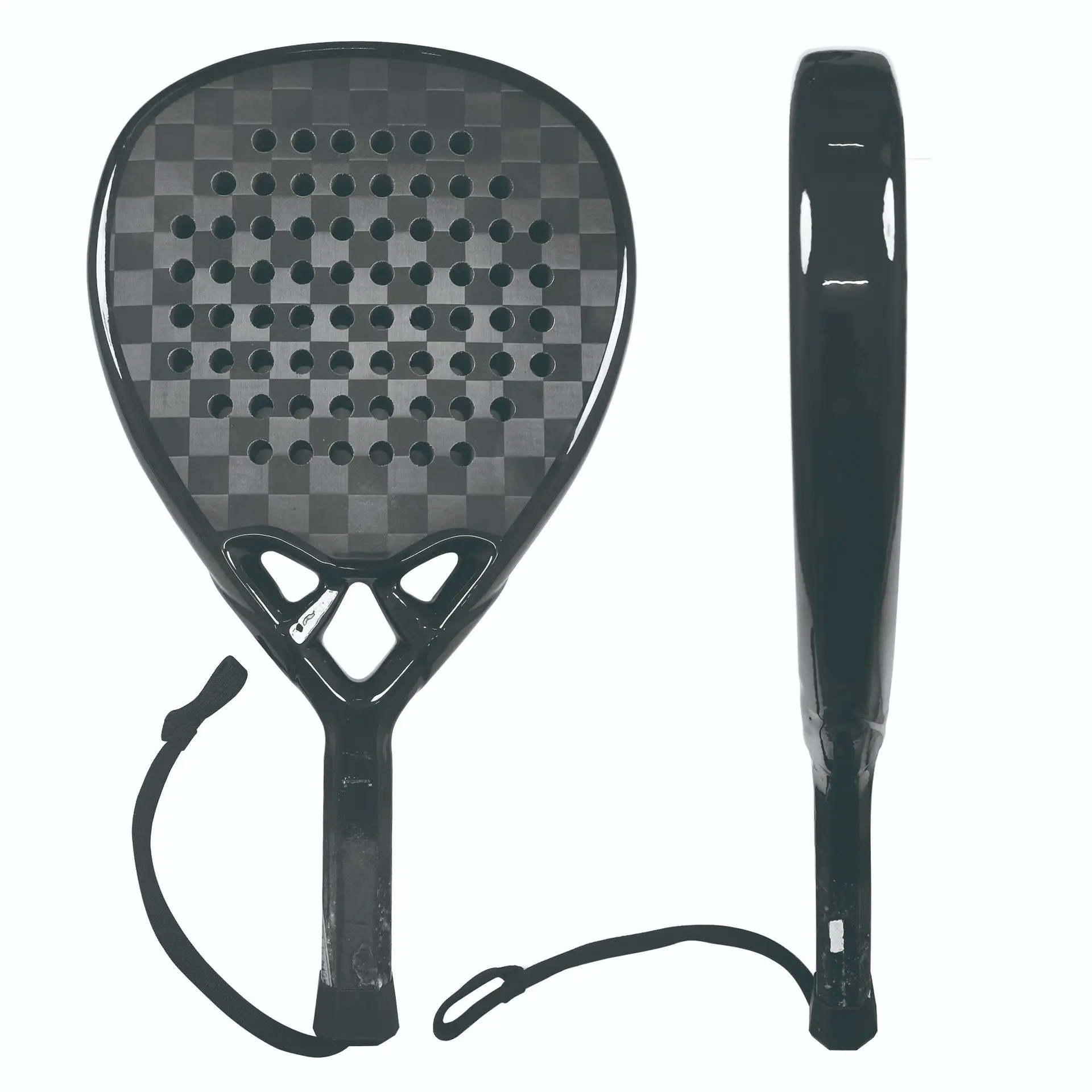
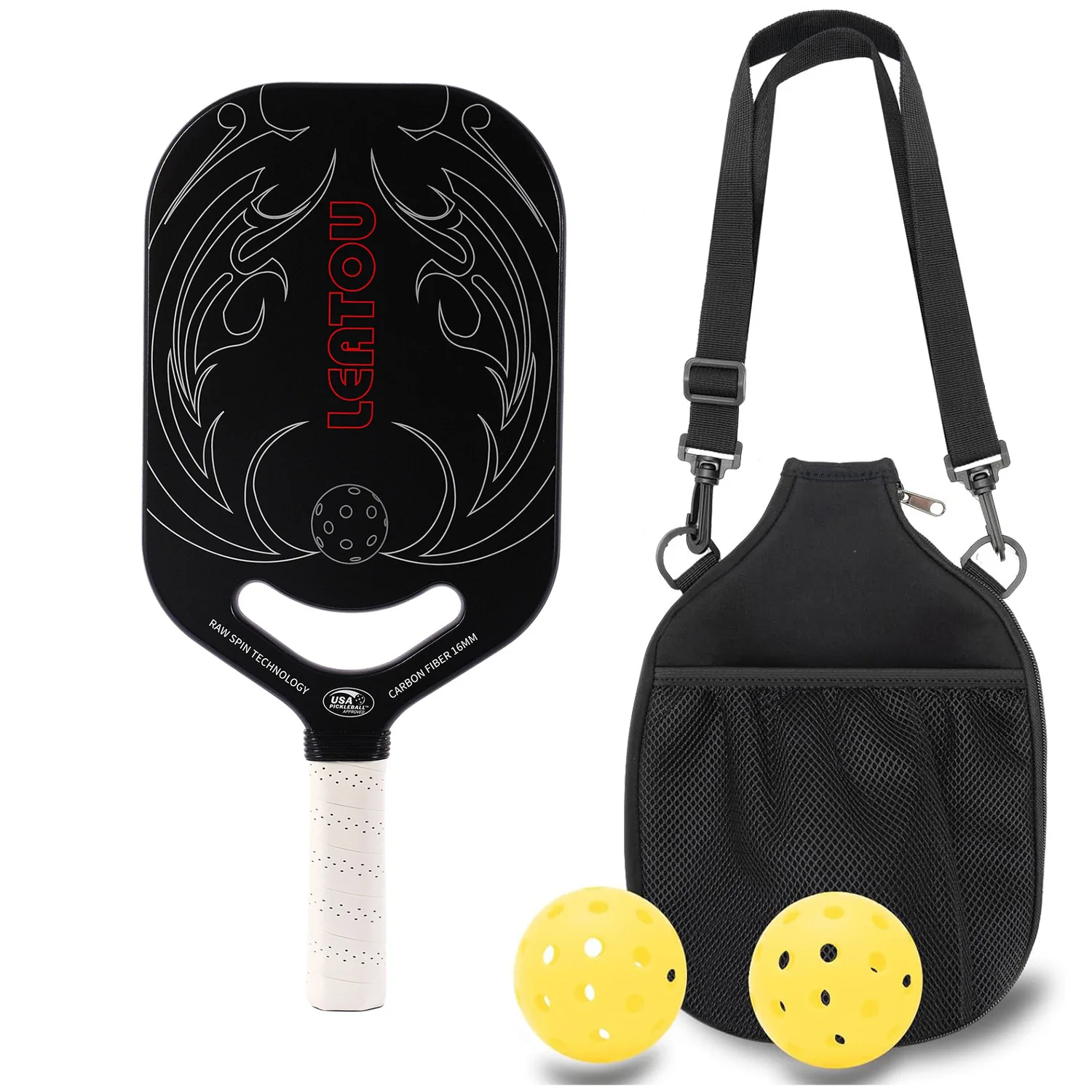
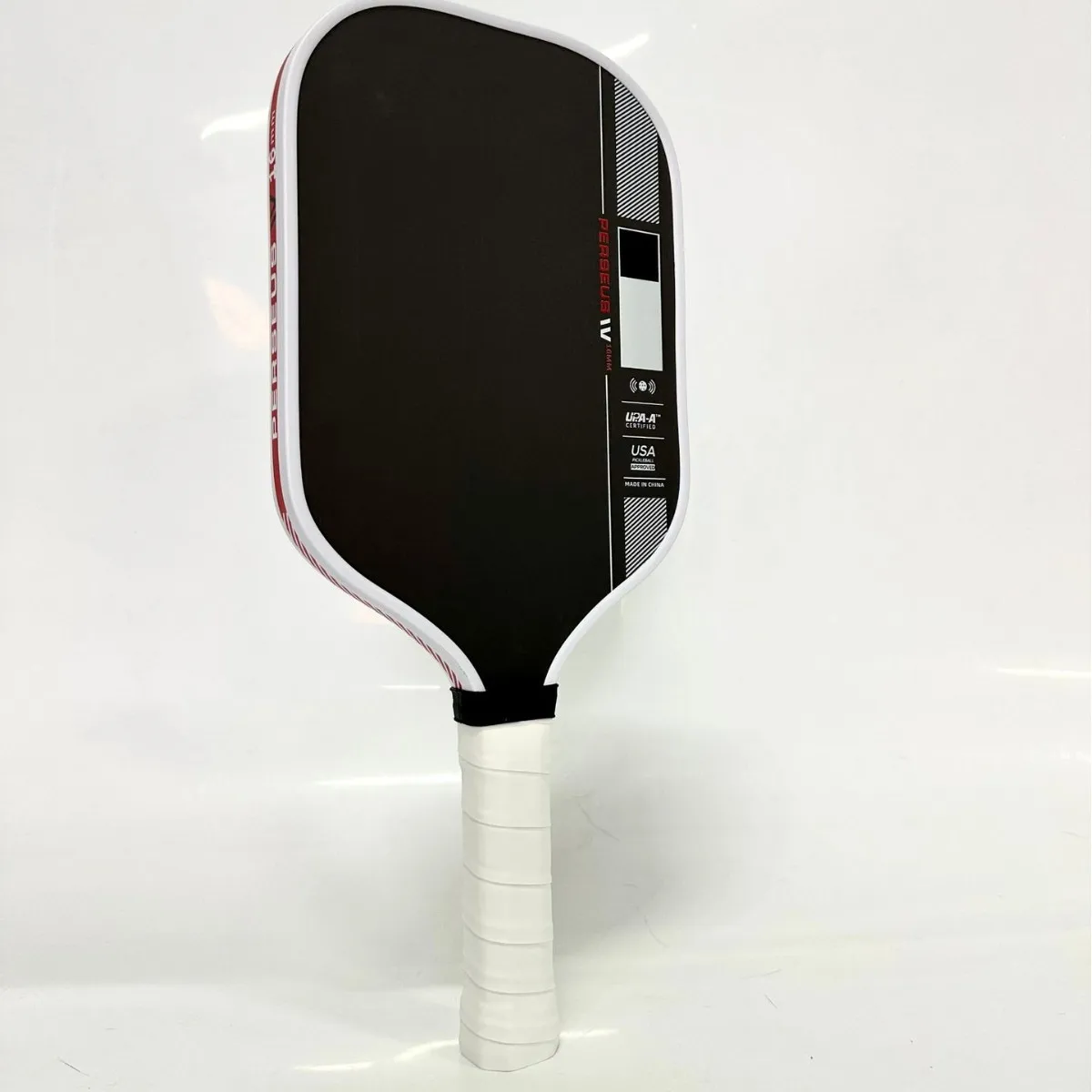
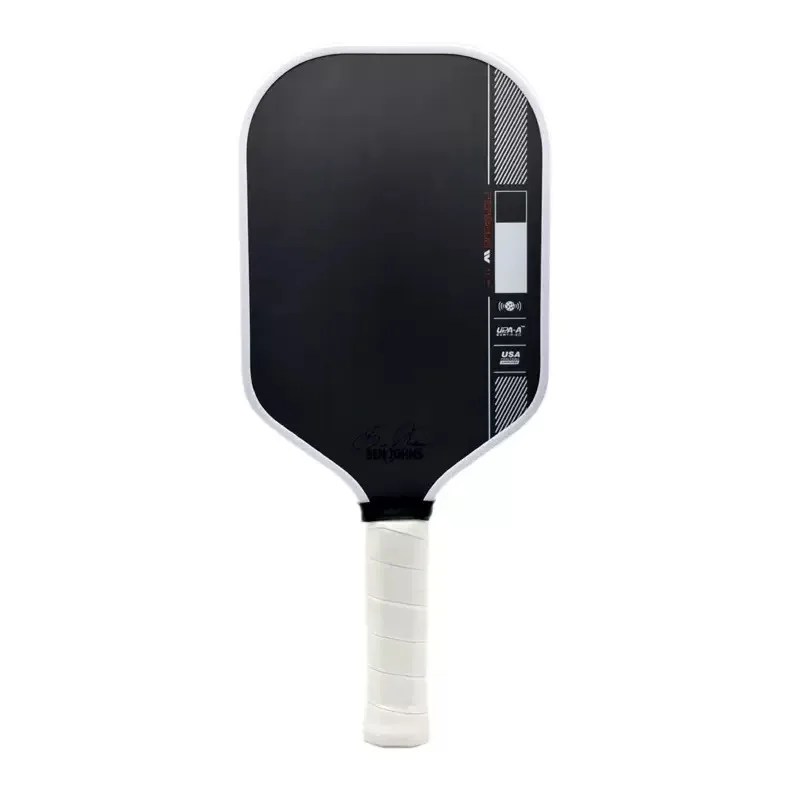
In competitive pickleball, every swing, every hit, every return is based on the construction of the paddle in your hand. More often than not, mass-produced paddles are built with bag-of-stuf materials that meet average criteria, but do not match the demands of serious competitors. Custom pickleball paddles allow for exact selections of materials based on an individual players strengths and game strategy.
An example of a custom material option is fiberglass. Fiberglass is an ideal composite material for control and a soft touch, hence a wonderful selection for players that build their game on finesse shots as dinks and drops. Fiber glass is also great on vibration absorption, which is a real plus for the match fatigue that players endure in longer rallies. If a player is more focused on a power game, a carbon fiber paddle selection is strongly recommended. There are an assortment of carbon fiber selections such as 3K, 12K, and 18K. These options and variants are stiffer and more responsive than their fiberglass counter parts and make striking power more achievable as they are great energy transfer materials. Smashes and quick point returns that catch your players off guard and doesn't let them adjust their strategy. Aggressive players are also able to perform rallies knowing their strike control is covered when using Kevlar due to its high damage resistance and high control.
Because of the ability to customize the materials used to create the paddle, players get to trade off the compromising features that come with mass-produced paddles. This gives serious competitors the ability to integrate every shot with their tactics to create a unique advantage during gameplay.
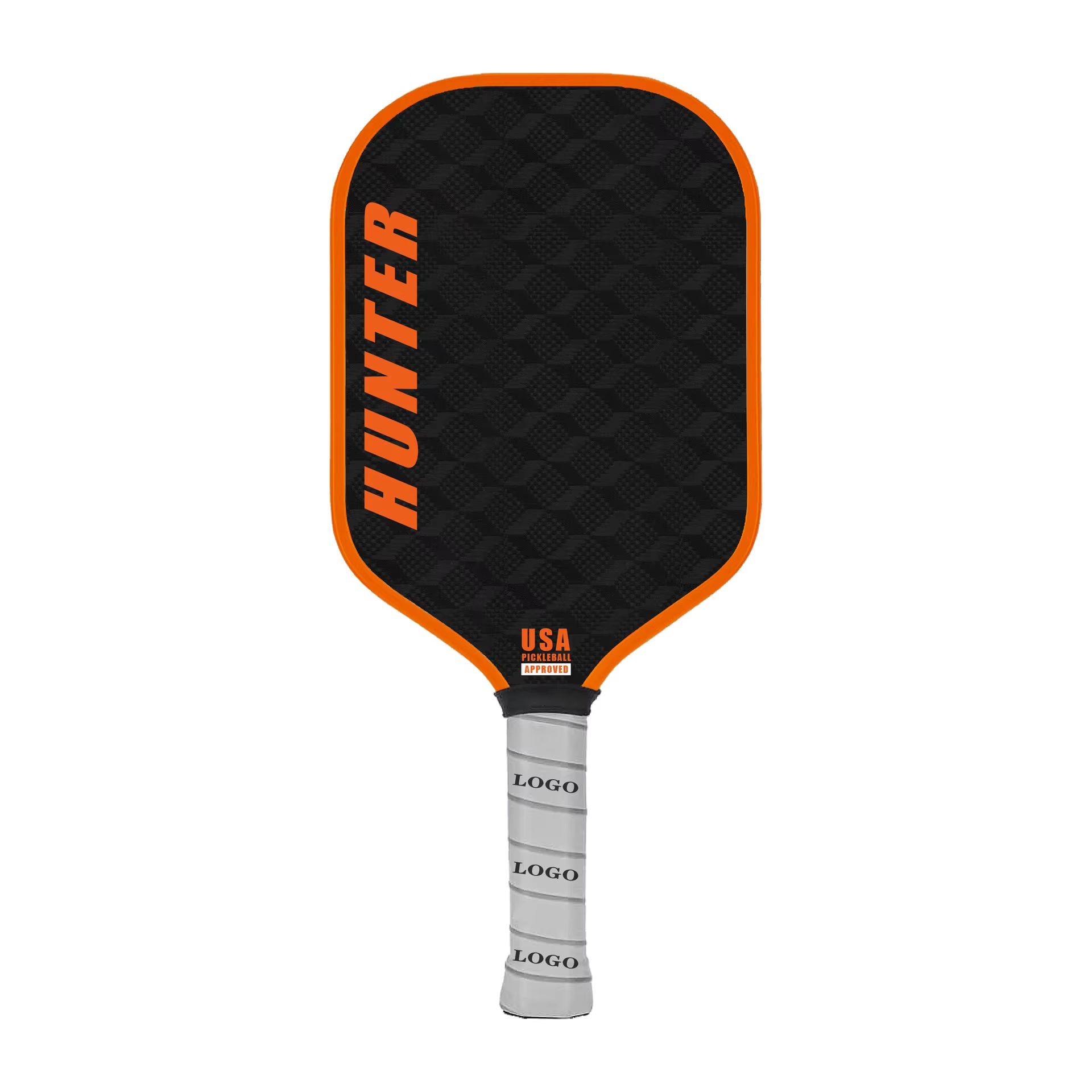
The playability of a paddle is entirely based on the craftsmanship, and custom options have the upper hand because of the specialized craft production. In custom manufacturing, there is hot pressing one-piece molding and cold press molding, both of which are great for competitive custom pickleball paddles.
Hot pressing one-piece molding keeps the construction of the paddle seamless, which is great for rigidity and balance. There are no weak points that come with glued and assembled paddles, making it sustain the pressure that comes with competitive gameplay for a long time. This allows for consistency, making it easier for players to predict the paddle's reactions to the ball per shot. Cold press molding, however, takes the natural characteristics of the materials, such as fiberglass and carbon fiber, which gives the paddle a better balance between control and power. It suits players who are more in touch with the paddle, as it enables finer customizations to the paddles in terms of thickness and core density.
Custom paddles spend a lot of time in quality control to make sure every unit meets high performance expectations. To make sure there are no gaps in quality, the thickness of the hitting surface, adhesion integrity, and other details are extensively scrutinized. For competitive players, precision like this reduces the likelihood of performance outliers which is extremely important when trying to stay in the zone and execute strategies under pressure.
There is a growing body of research and writing dedicated to improving your game in a specific way. You are however, not so limited by your design and a custom paddle is also a way to specialize your craft. Your fine tuned custom paddle can help alleviate weight and help fine balance where needed. Some players thrive with a head heavy paddle for the extra power. Others are better with a balanced design to optimize control and responsiveness.
When ordering a custom paddle, players can choose a grip size that works for their hand. Many default paddles will simply included a standard grip that may be oversized or undersized for the players hands. Selecting a custom grip can help players avoid fatigue that comes from wrist immobilization or help avoid grip slippage at the paddle during high intensity plays. Players can also select their preferred grip texture, which can be smooth for quick adjustments during play or textured for frictioned grips. Different grip sizes and materials can help players optimize control of their paddles and maintain their desired play style.
One of the coolest features of custom paddles is that players can select paddle width. Wider paddles are more forgiving for off-center shots and provide for a larger effective hitting area for beginners who may be less consistent. Alternatively, players that are more advanced can choose of a skinnier paddle that is more aerodynamic and allows for quicker swings. All of these paddle features allow a paddle to be more of an extension of the player, rather than just a generic tool.
Custom paddles designed for performance and built for the tournaments are the standard of any competitive paddle and must adhere to regulatory standards set by organizations durings tournaments. USAPA and similar organizations regulate paddle dimensions, weight, materials, construction, surface textures, and other parameters to create equity and fairness for competitive play. Custom paddle suppliers are familiar with these standards, so any paddle made is guaranteed to meet compliance.
Custom gear often raises the question of whether an adjustment will cross the line into rule breaking. Custom suppliers do their best to avoid these violations. For example, USAPA does NOT authorize certain surface treatments and materials because they are performance enhancing, and so their use is determined by whether or not they meet USAPA standards for non-abrasive, permitted materials. Finally, extensive compliance testing is done for each custom paddle, fully evaluating weight, materials, and other construction to meet compliance. Custom competitive gear makes each competitor rule-breaking compliance to assist the competitor, improving their playing experience.
 Hot News
2025-12-31
2025-12-29
2025-12-26
2025-12-24
2025-12-22
2025-12-19

 EN
EN