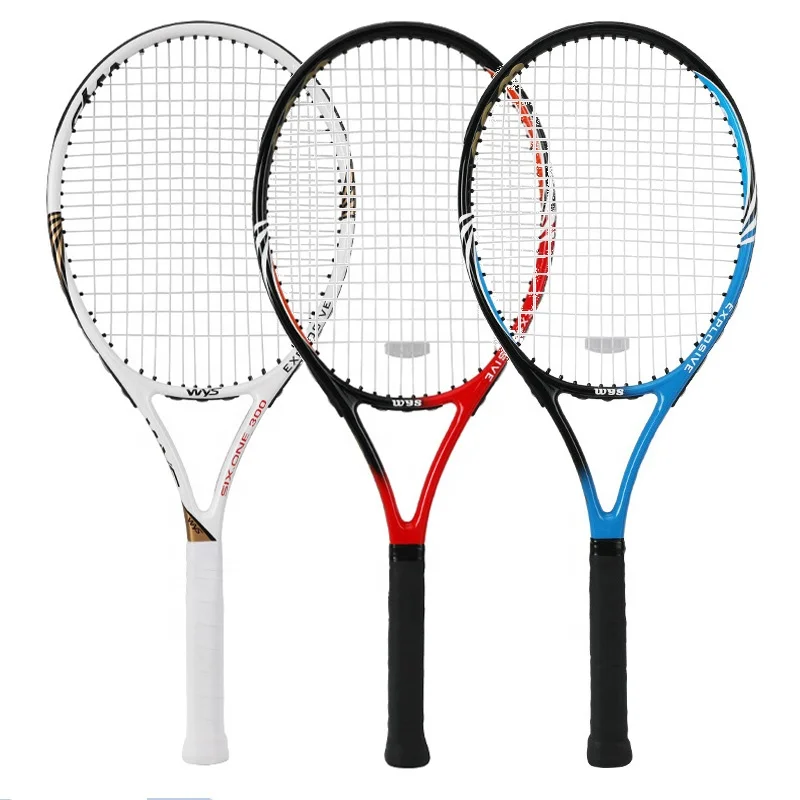
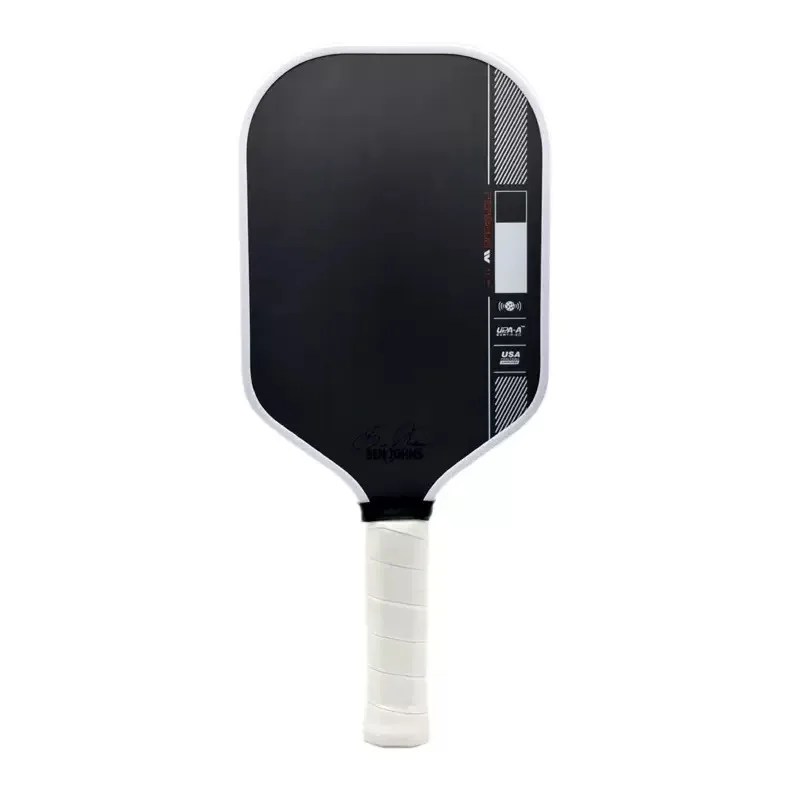
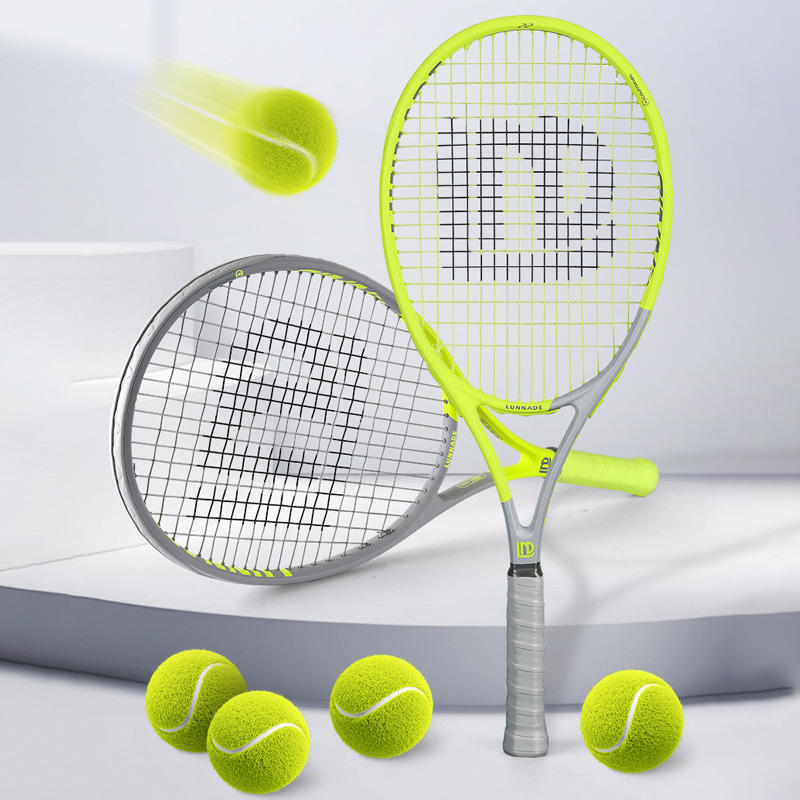
Tennis rackets are an integral part of the game. They are no simple pieces of equipment; they are tools made by craftsmen from high quality materials. Many players expect rackets made of fiberglass and carbon fiber to hold their value and perform well for a long time. However, poor storage can make these rackets worthless. Uneven pressure can warp the frame. Damaged strings can lose their tension. Surfaces can become faded and cracked, and extreme temperature can weaken their sturdriness. Just from a poor storage, the rod and string will become unusable and a constantly replaced rod will lose value and become expensive. Knowing how to store tennis rackets will keep the quality, age and value of the rod.
The most important factor when storing a racket is the location. Heat and humidity are the enemy of racket materials and the ideal conditions are a cool, dry area with steady temps of 15-25 degrees Celsius with a relative humidity of around 40-60 percent. Do not store rackets in places like car trunks, garages, or basements as these places are more likely to have extreme temp changes, high humidity, and direct sunlight. Rackets may warp if the frame material becomes too hot and very cold temps can make the materials easily crack. Too much humidity can also cause the strings, if they are metal core, to rust and mold can grow on grips. This can make the racket perform poorly and be quite unsanitary. A set of closet or a sports gear storage cabinet is best as they can provide steady conditions to keep the racket's quality and material safe.
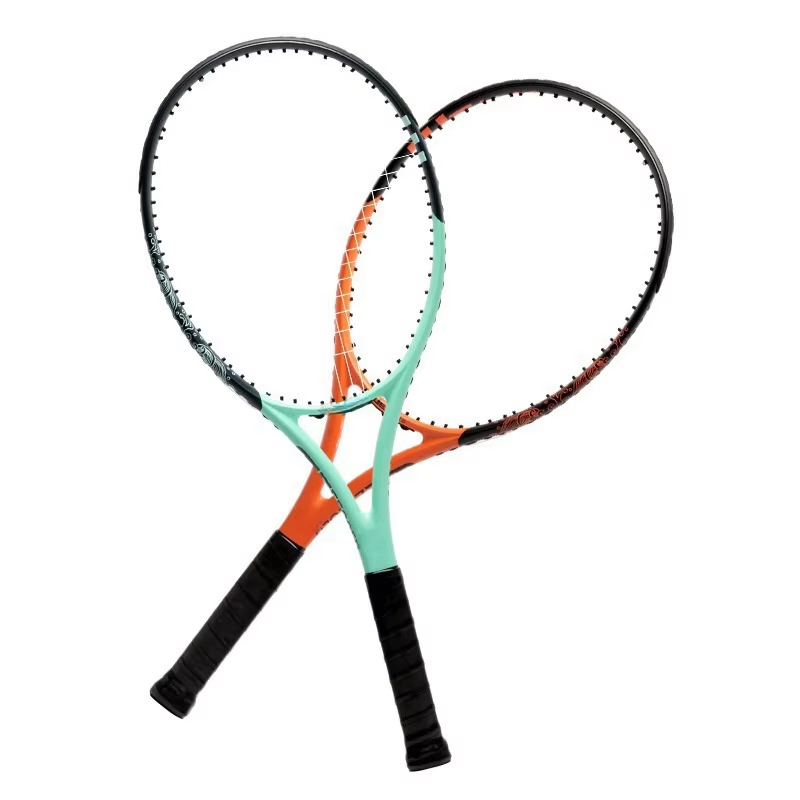
How you store your rackets can make or break performance. String tension is very important. If your rackets are stored with strings tensioned, they will be under constant stress. If they are under this stress for weeks or months, premature deformation or breakage is inevitable. Letting off all tension will lead to permanent shape loss, which is also bad. If you are going to be storing a racket for more than a couple weeks, the most effective course of action is to reduce tension by 10 to 15 percent. If your racket is strung to 50 pounds, for example, storing it at 42.5 to 45 will allow for preservation of the frame while still ditching stored stress. It is also a good idea to replace old strings with damaged tension before storing to prevent frame damage.
Simple storage solutions are available for protecting your tennis racket. It is a good idea to consider your racket a treasure, as a good price has a good racket. Racket covers are inexpensive for good reason. They protect your racket from dust, scratches, and minor collisions. Covers that are water resistant are more durable. Covers are needed to protect the racket from dust and scratches. If you own multiple tennis racks, consider a racketeer. It is a good storage option for tennis rackets as they are vertical and separated from each other, which means they won’t knock against each other and chip the frame or hurt the string bed. Rackets should not be leaned against the wall or piled in a box, as this puts uneven pressure on the frame and increases the chances of that frame going from straight to warped. Worn grips should be replaced or a grip cover should be added. Doing so will protect the grip from dirt that builds up from the sweat, and moisture that is lost during a game. Also, if the grip is not comfortable you won’t be able to use the racket easily in your next game.
How your store your racket is important, but so is how you place your racket in storage. First, always placed your racket in an upright storage position. The handle should be pointing down and the frame up. This storage position is the best option because it evenly distributes the weight. Never store your racket horizontally for long periods of time and especially do not place heavy objects on top. This orientation puts direct pressure on the frame and string bed, which will cause permanent deformation. If you are going to be traveling with your racket, always use a hardshell case instead of just a soft case because the hardshell case will protect your racket from impacts. Finally, when placing your racket in a bag or case, make sure that other equipment like balls or bottles are not pressing on the frame or string bed. This way, the racket will be ready to perform at it's best whenever you need it.
Make sure to do periodic touches to ensure nothing bad happens while the equipment is in storage denting the equipment. Pull the equipment out of storage in intervals of 2 weeks to inspect thoroughly. Look at the frame to check if there are any signs of bending, chips, cracks, or anything like light should be easily able to move around the frame. Inspect the strings to see if there is discoloration or if any of the tension is missing and if there is, then it should be restrung. Use a soft cloth to remove dust and moisture, around the frame and grips. If the grip is dirty, then bleed it with a soft cloth and do NOT put the equipment back in storage until the grip is completely dry. These aren’t time-consuming maintenance tasks, but are potentially the last steps in a process that identifies and addresses small problems before they become large, in order to ensure that the equipment stays in good condition.
Purchasing a good quality tennis racket isn’t something everyone gets to do, and maximizing the value of every dollar spent on a good racket starts with proper storage. When looking at how a racket is stored and maintained, a high performance racket's lifetime value is increased and the need to replace that racket is decreased. Rackets costing $200 that are stored and maintained properly outlast their $200 counterparts that are replaced every couple of years. When looking at the time spent with a properly maintained and stored racket, that is a significant value savings. A well maintained and properly stored racket is also cheaper to replace and retains a more significant overall value. There is a lot more to proper storage and racket care than just protection. Proper storage of quality rackets equals years of performance and enjoyment on the tennis court. Proper storage really is maximizing the value of every dollar spent on quality and craftsmanship.
 Hot News
2025-12-31
2025-12-29
2025-12-26
2025-12-24
2025-12-22
2025-12-19
 EN
EN