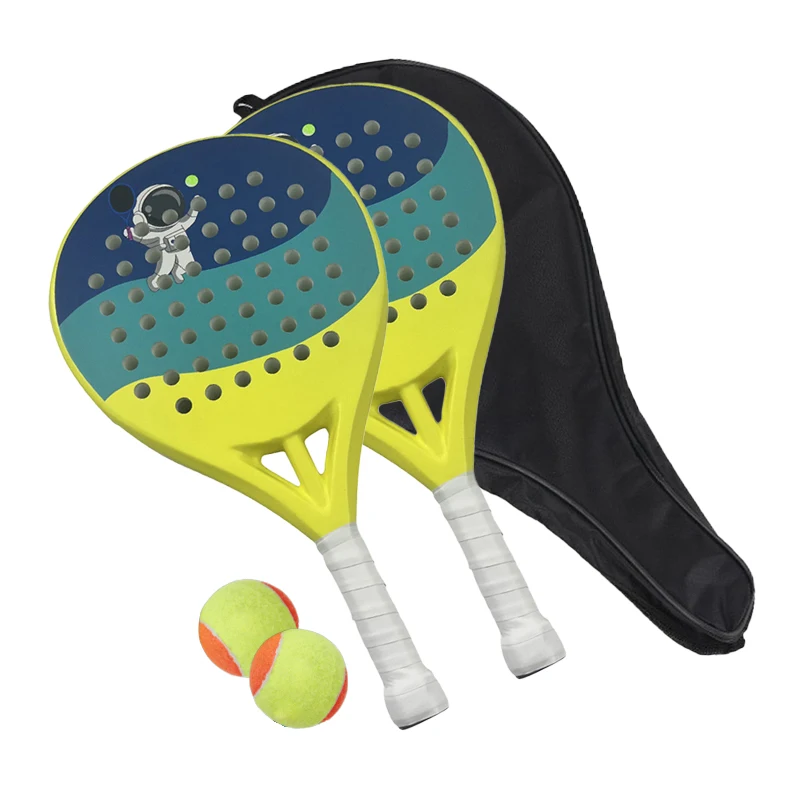
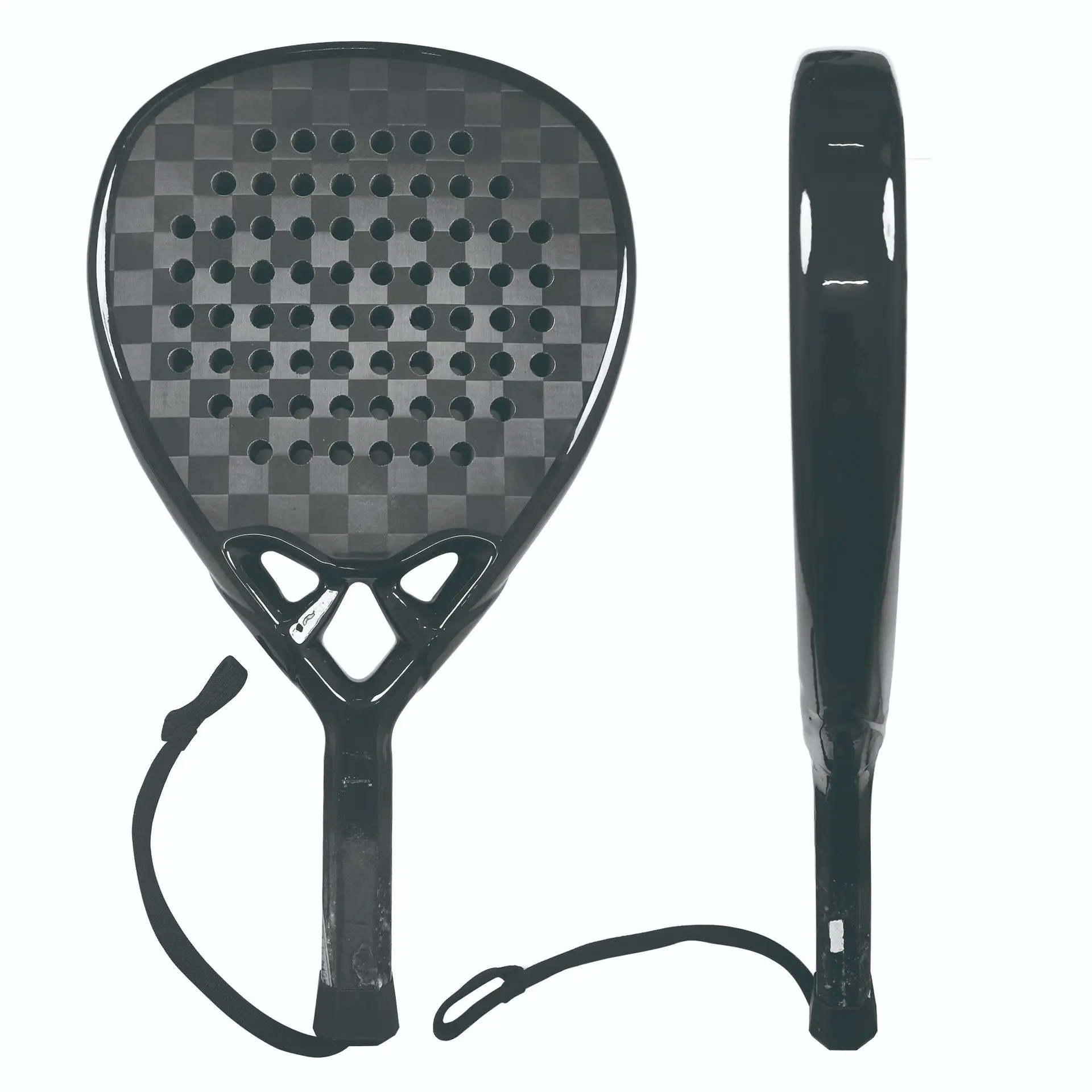
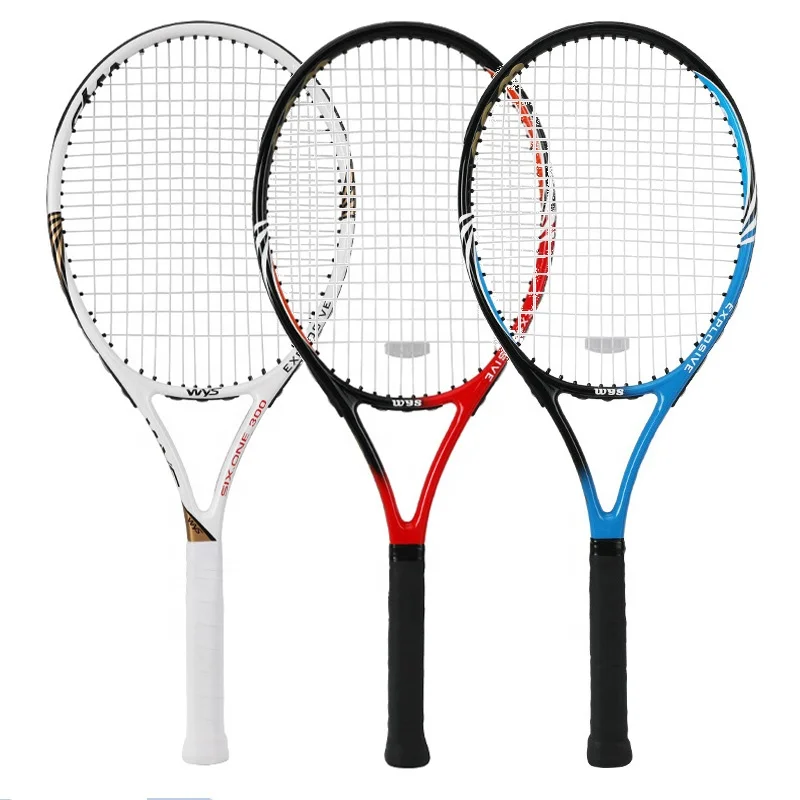
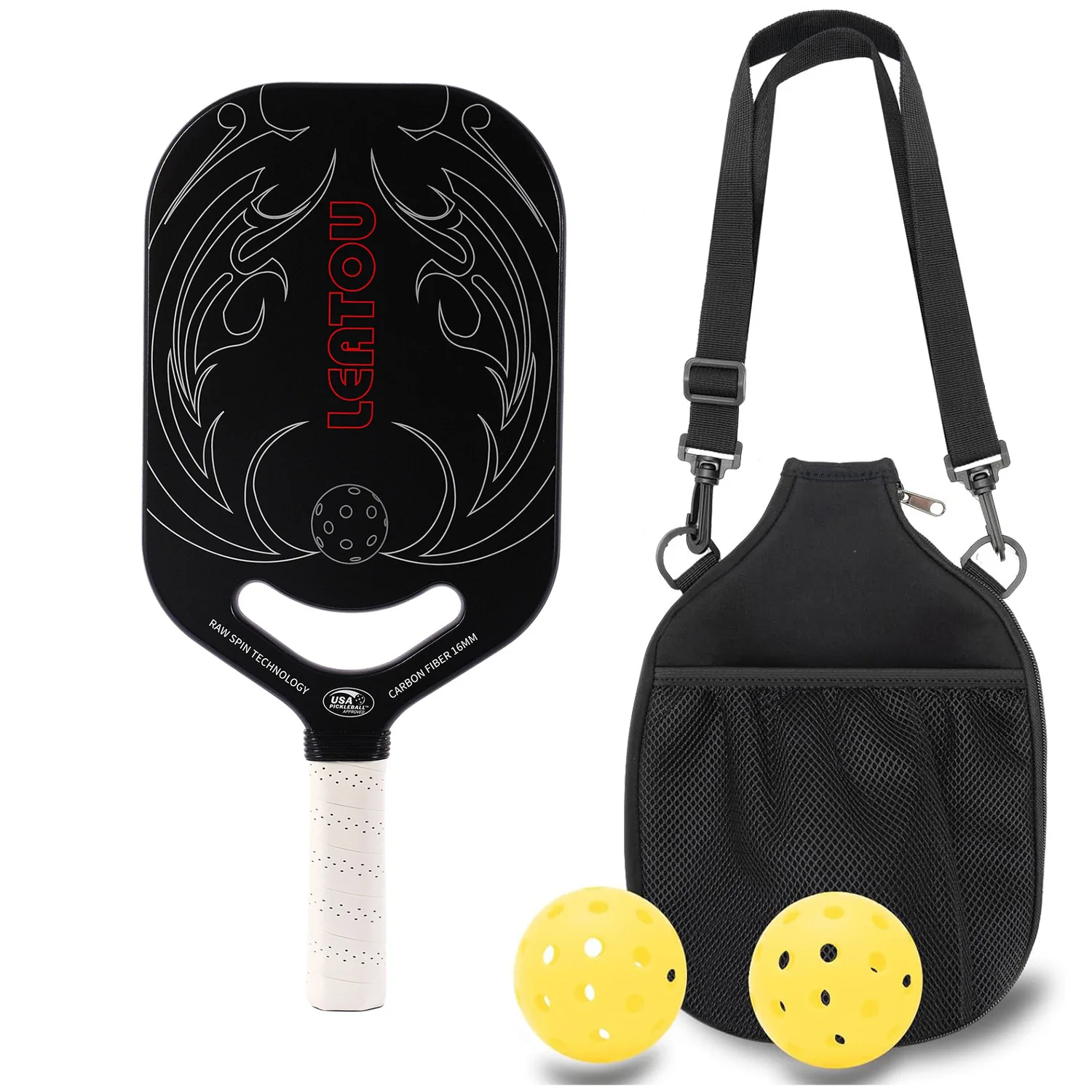
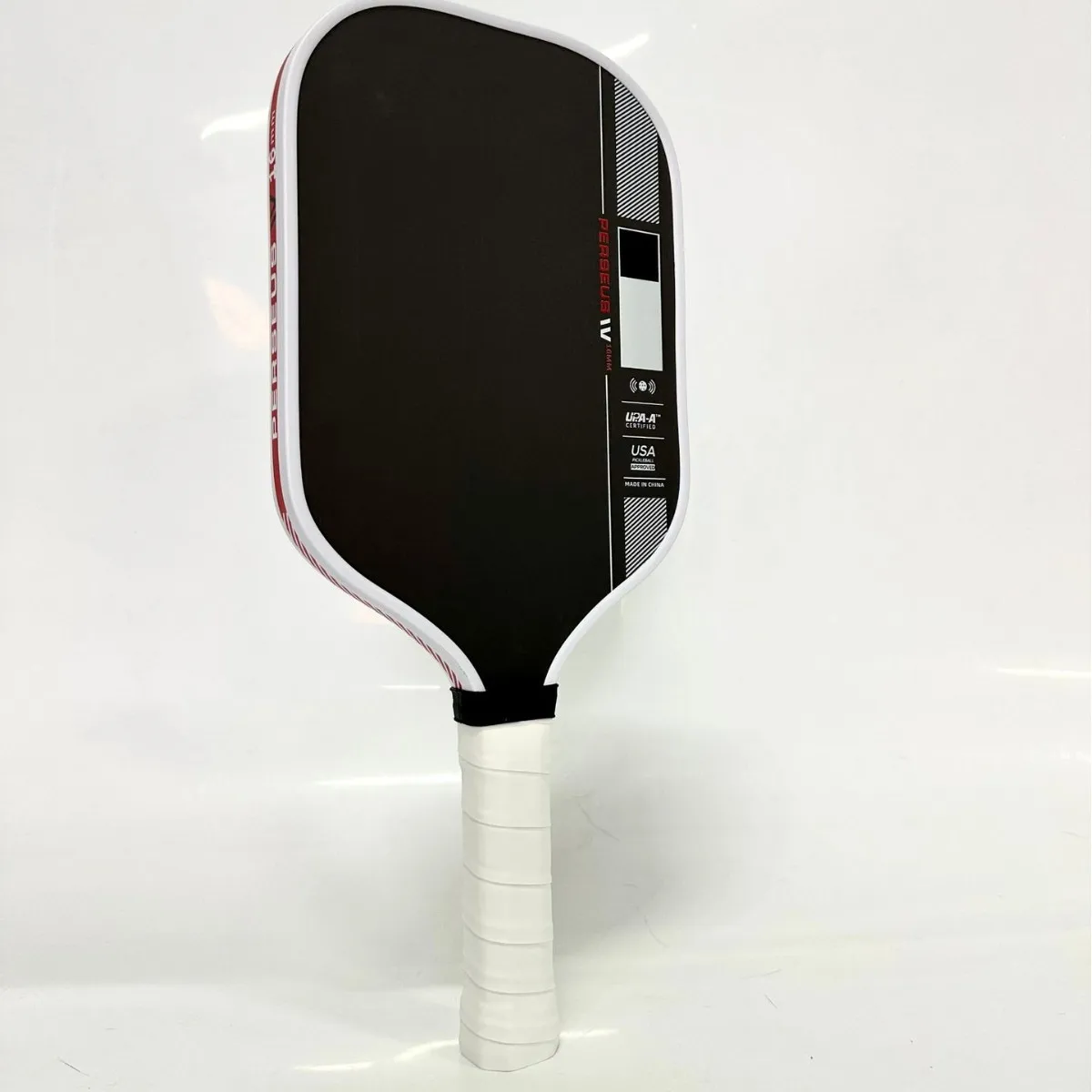
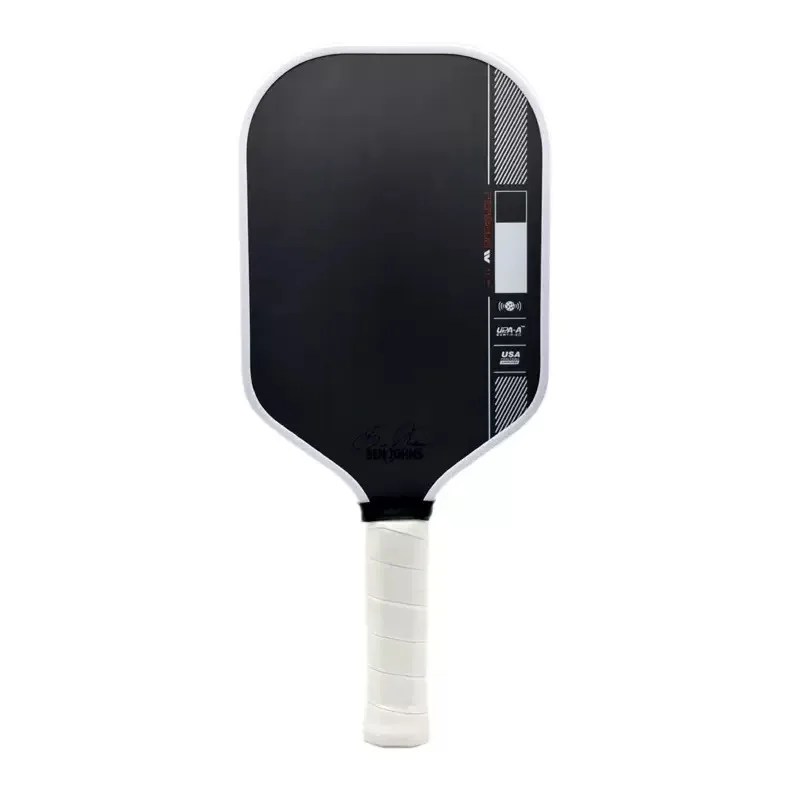
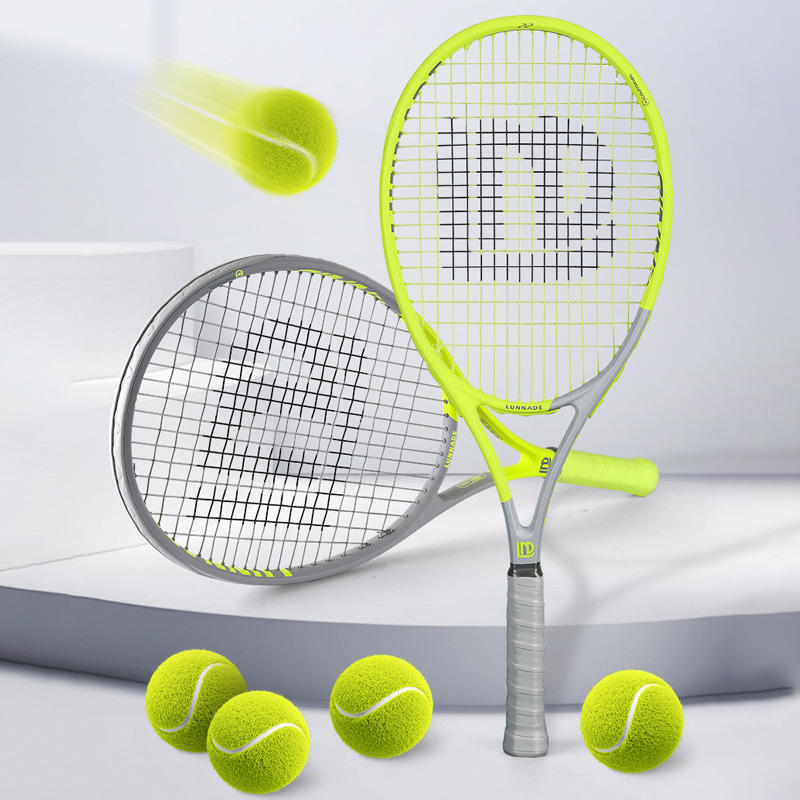
Racket weight is not a random number, it is something that is directly correlated to your control, power, and even a risk of injury. Once you get the right weight for you, based off of your unique play style, skill level, and physical needs, along with the right materials and quality craftsmanship, you will be able to play your best, and it will not cost you too much.
Let's start with the basics: lighter rackets (240-270g) are made for control and quick swings, while heavier rackets (280-310g) are made for power and strength. With that being said, being too light will make you unstable while being too heavy will cause strain and fatigue on your arm. A good balance is what really determines the quality of a racket. For example, a rack made with a stronger lighter material (like 3k and 12k carbon fiber) has the ability to to be just as stable and stronger than a heavier rack made cheaper, resulting in a faster racket with a lot of strength, just without the weight.
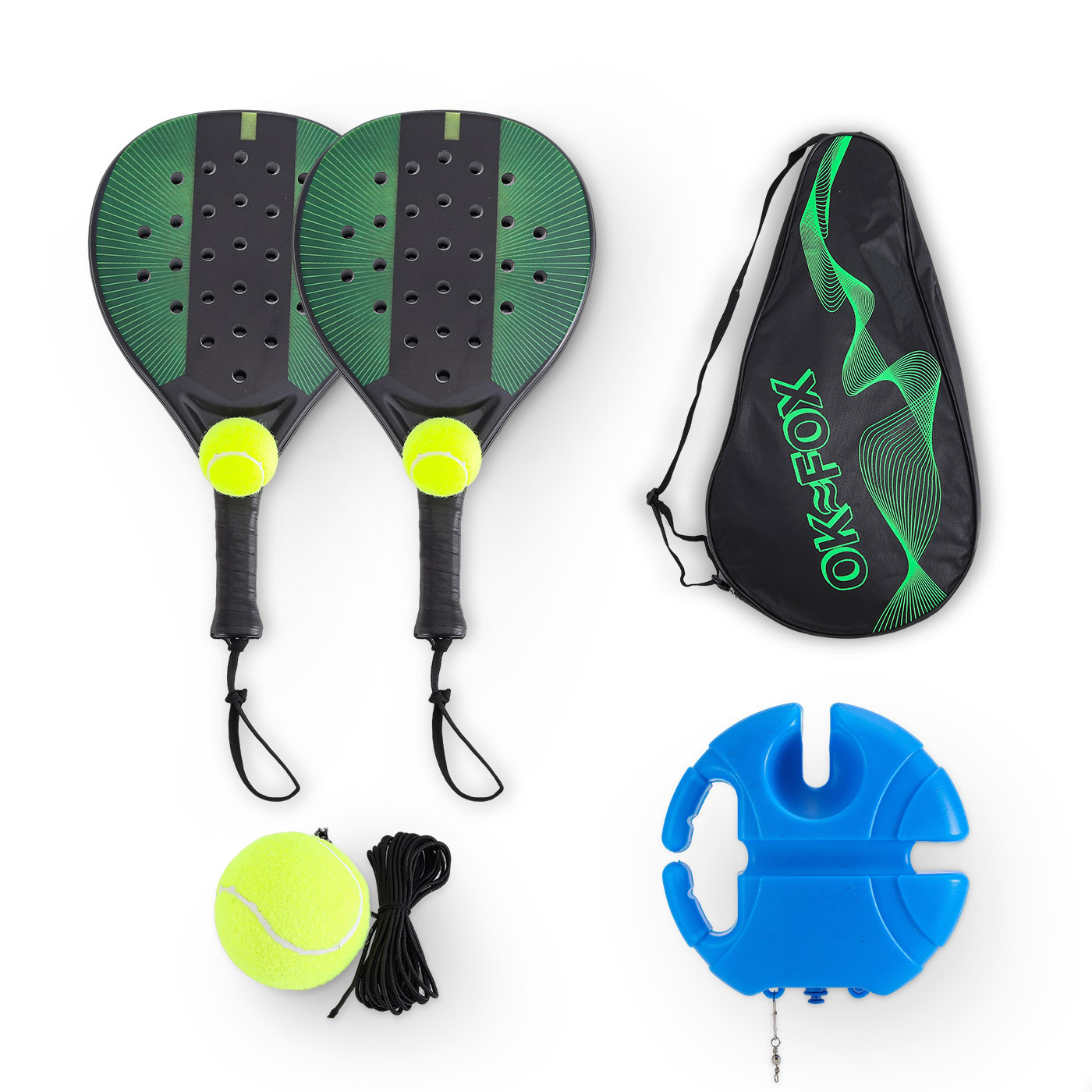
Beginners having to play with a bad control over a heavy racket shouldn’t be a problem, since they will develop bad habits, and swing control will also be an issue. A lighter racket (240-260g) is going to allow a focus on timing and form, boosting confidence and avoiding fatigue. A mid weight option (260-280g) is going to be more benefiacial to players with developed consistent swings, as it adds a bit more power to their control. A heavier racket (280g+) is preferred among advanced/competitve players, and a game relying on powerful baseline shots or serves. However, it is very important to put level aside and focus on the fact that a weight of the racket should feel natural. It shouldn’t feel like you are fighting with a racket; it should feel like an extension of your arm.
Some lightweight rackets outperform their heavier counterparts, and it all comes down to higher grade lightweight materials and craftsmanship. The best rackets are made out of high grade carbon fiber (3k, 12k, T700) and fiberglass of various high grade constructions, as they provide an excellent strength to weight ratio, meaning they are able to withstand highly intense play and last a long time while still being lightweight. The soft press, hot molding construction techniques allow the creation of highly consistent rackets and avoid issues of being a lightweight racket with any weak spots, or having an inconsistent feel by having uneven weight distribution. This is a big reason why higher grade rackets are such a great investment - the first rackets they buy are usually flimsy and break, or lose their feel after a few intense plays, while higher grade rackets outlast and outperform their competitors. Rackets like this are certified by the USAPA, and offer consumer confidence by providing a highly competitive product without having to overcharge for it.
Besides the weight of the racket, other factors such as balance and material should also be considered. An evenly balanced, heavy racket can feel lighter than a poorly balanced light racket. A common misconception is that heavy rackets mean more power, but if you can’t swing the racket quickly, that power is lost regardless of how heavy the racket is. Don’t fall for the myth that more expensive rackets mean more weight. A lot of affordable rackets use the same high grade materials as luxury brands. The key is to test the racket if possible, or look for customer feedback that is not just a weight description.
Customization for competitive players goes above and beyond in how specific you can get with weight. There’s specific combos for materials, weight distributions, and grip size adjustments to dial in to an ideal setup for your game. You could be a quick, aggressive player, and still be demure and lower weight somewhere, but maybe with an aggressive head weight to add some net control punch and firepower. This boutique level craftsmanship used to take a big budget, but more and more in the current market, the ability to summon a shop with this level of tailoring is accessible to players on a budget. You get a better, more tailored, and higher performing racket with more value for your money. The craftsmanship doesn't just focus on tailoring the weight, but also on improving the overall play value of the racket.
It's all about getting the one that is most comfortable for YOU personally. It is about which one suits your body and your style of play. If you have quality materials and great construction and design, you have a solid racket that is playable at a high level for a reasonable price. It is best to find a racket that fulfills your weight requirements, is affordable, and built and high-performing to last. Take the time you need to evaluate your skill level, play style, and the requirements you have in a racket. Your arms and scorecard will be the best of thanks. If you have constructed a racket around you, your body will take thanks, and so will your score, especially if you have constructed a racket around you, the best. It is the most affordable one that fulfills all your requirements. The one value racket that is weighted correctly and will last. The most weight is needed to value it correctly.
 Hot News
2025-12-31
2025-12-29
2025-12-26
2025-12-24
2025-12-22
2025-12-19
 EN
EN