When you play squash, the right racket can make or break a shot. But what exactly separates a quality squash racket from a bad one? It’s not just a matter of brand or price tag. To understand the performance and value of a quality racket, you need good materials and craftsmanship. Let’s break down the essentials of a quality racket that every player, pro or not, should look for.
Quality in a squash racket starts with the materials used. Premium materials are needed to achieve an optimal mix of strength, lightness, and responsiveness. Examples of these materials include 3K, 12K, and 18K carbon fiber, along with fiberglass and Kevlar. The durability of these materials means you can take a consistent beating with a squash ball and the racket will remain in good playing shape. The same cannot be said for cheaper materials, like low-quality plastics and thin metals, as they will breakdown and become unreliable. Futhermore, the positive playing characteristics in a racket using these high-performance materials will be felt immediately. For example, carbon fiber transfers power efficiently, meaning ball speed is increased. Likewise, fiberglass adds a desirable flex for maximum control. An initial higher cost is offset by the longevity of a premium racket.
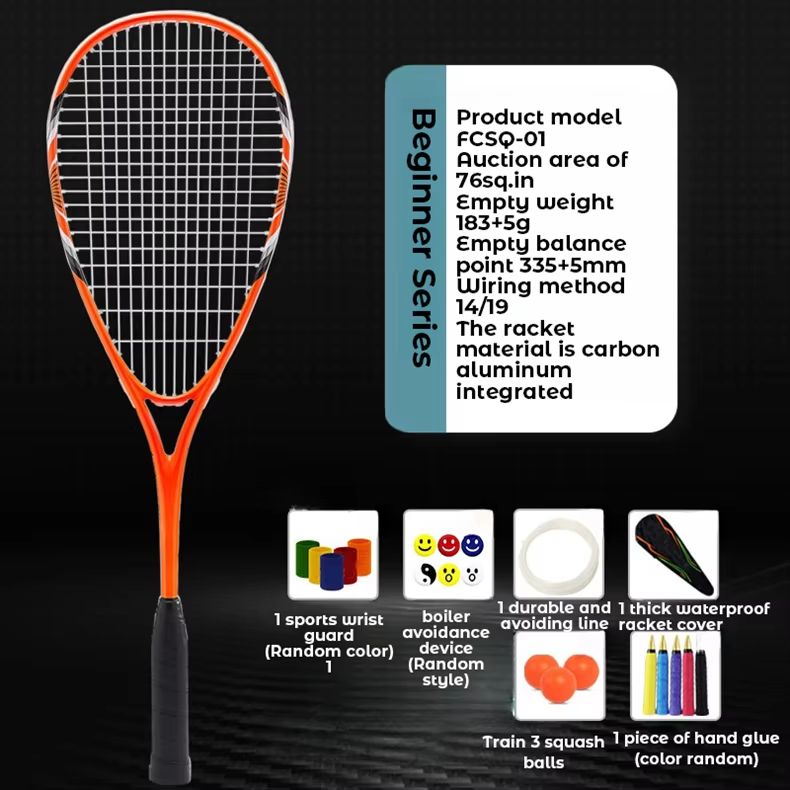
At Craftsmanship, we understand the nuances that must be taken into consideration when constructing a high-quality squash racket. The very best manufacturers use specialized methods, such as hot pressing single piece molding and cold pressing molding, to produce a racket of homogeneous quality. These techniques make it possible for every racket to maintain the same high standards needed for proper weight distribution, balance, and structure. A racket that has undergone the highest quality of craftsmanship will have frames that are smooth, stringing that is secured and locked down, and will have no pointed areas that had the potential to be breakage points. Poorly made rackets, on the other hand, may have uneven weight, weak joints, or shoddy stringing, leading to inconsistent shots and frequent repairs. Quality craftsmanship also means the racket is designed to handle the demands of squash, from quick rallies to powerful smashes, as well as demanding comfort and control.
Squash is designed for individualization, racket specs, weights, tensions, and etc must align with your individual style and approaches. Some aggressive players, with power hits, typically are more inclined to performance from a rack with a higher string tension, heavier weight, and head-heavy balance to maintain control of the ball’s movement. Defensive players, including beginners with a more controlled and goal-aimed style, flexibly work with a rack less heft, head-light balance, and a lower string tension to enhance movement control. High performance product racks often provide flexibility with weight and balance, as such specs can be finetuned to individual players. This flexibility is key in countering the rack’s performance, control is everything.
When searching for an excellent squash racket, compliance, and certification are critical. Popular, reputable rackets have the appropriate certifications as per the global standards necessary for professional play. Certain certifications require the racket to have undergone extensive testing as it pertains to safety, quality, and performance. A competitor should have a certified racket for all levels of play as it provides the assurance of qualified performance and fair play for serious games. Even recreational players benefit from vetted rackets as such products are certified and consequently, the players are assured that the racket will perform as the manufacturer claims. Uncertified rackets do not meet safety requirements and may even fail to perform to the standards advertised.
If you're looking for a top tier squash racket, a good example leads with top materials, craftsmanship, and performance, all without a hefty price tag. A common misconception amongst players is that the best rackets are the most expensive. However, this is not this case. Some cheaper racks are produced with some of the same materials as the high end counterparts and give out a similar performance. For a good truist risk versus return, be sure to consider the rackets durability versus performance versus how tailored the racket is for your personalization. A good racket will be one that performs and that you won't need to replace as frequently.
Understanding the red flags of low-quality rackets will allow you to know you are getting a quality squash racket. Rackets made from materials that are too flimsy will be lightweight but break easily or lose their performance after a couple of uses. Badly balanced rackets that feel awkward in your palms can lead to inconsistent shots; these rackets will also be the cause of excessive fatigue as you play. Rackets that have poorly made frame: rough to the touch, odd coloring, or defective parts, show to be of low-quality craftsmanship. Rackets that are poorly made, are not up to standards, and are unverified should also be avoided. Overall, you want to stay from these low-quality rackets to be sure you will have a racket that will last you a long time.
A good quality squash racket is constructed with good materials, good craftsmanship, good performance, good scoring, and is a good value. It is a racket that helps improve and elevate your game, regardless if you are just starting and learning, or if you are a pro and compete at the highest levels. When shopping for a squash racket, you might be tempted to simply consider the price. However, you should consider the main factors that define the quality of the equipment. If you purchase a racket that meets your quality standard, you will improve your performance on the court, and get value for your money. Remember, a good quality squash racket is not just equipment- it's a tool to support you in your squash life.
 Hot News
2025-12-31
2025-12-29
2025-12-26
2025-12-24
2025-12-22
2025-12-19
 EN
EN