 EN
EN


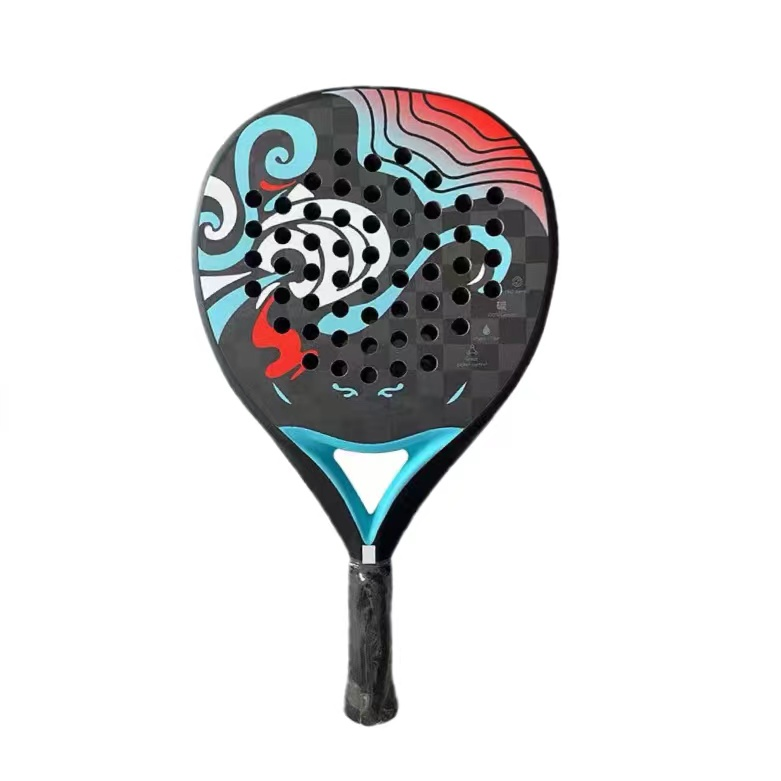
Every tennis player has their own unique playing philosophy, strengths, and weaknesses and no one should settle for a generic one-size-fits-all racket. For amateurs and pros alike, custom tennis rackets are changing the game by providing a level of performance that pre-manufactured rackets don't offer. After many years of witnessing the ways in which custom specifications enhance the experience of tennis players, this guide aims to outline the most important considerations in the process of designing your ideal racket.
Material Selection The Foundation of Performance
Your racket’s material influences its power, control, and durability. Two of the most reliable options are carbon fiber and fiberglass. Different variants of carbon fiber have different strengths and weaknesses. For example, 3K, 12K, 18K, and T700 all have a great strength-to-weight ratio. 3K carbon is great for players who prioritize hitting precise shots as it offers a good mix of flexibility and responsiveness. 12K and 18K carbon, however, are a better fit for aggressive players who have strong serves and smashes as they are stiffer and offer more power. T700 is the most durable carbon option and is great for players who play heavily and frequently. If you want a cheaper option to use while playing for shock absorption to protect your arm, fiberglass is a good option. It is great for beginners who want a more comfortable playing experience than a more powerful one. The materials will meet the standards of global sports equipment testing.
Molding Methods: Hot Press vs Cold Press
A racket's production instills its characteristics and durability. One-piece molding hot pressing is a top-tier technique that bonds materials into a single continuous frame. By doing so, it eliminates potential weak points, thereby improving the structural soundness of the racket. This also allows for consistent performance throughout the head of the racket. Cold pressing molding is a more accessible, but still reliable technique. It results in a frame with slightly more flex, which caters to players with a preference for a softer touch. Each technique is a product of years of research and development, and quality assurance teams check them to meet standards. For example, professional players often choose hot-pressed rackets, as the one-piece construction is efficient in dampening vibrations, preventing stress in prolonged matches.
Main Custom Specs That Fit Your Play Style
When customizing, three specs demand your full attention weight, head size, and grip size. Racket weight influences maneuverability and power—lighter rackets around 250-270 grams are easier to swing and great for players who rely on quick reflexes and frequent rallies. Heavier rackets (280-310 grams) generate more momentum, ideal for baseline players who need extra power. Head size affects sweet spot. Larger heads offer more forgiveness for off-center hits, while smaller heads (95-98 sq.in) provide better control for advanced players. Grip size is critical for comfort. Too small and your hand will strain, too large and lose control. Many players find success by matching grip size to their hand measurements. Reputable suppliers guide you through this process based on your feedback.
The Importance of Manufacturing Certification for Quality Assurance
Custom rackets are not all the same, but USAPA certifies equipment that meets international standards for safety and performance. USAPA certifications provide significant value for competitive players, as they guarantee the racket meets the standards for tournament play. Certified rackets, in addition to tournament-play certification, have been tested for durability, retention of string tension, and safety of materials, assuring customers that their rackets are a good investment. Quality certifications also suggest to customers that the supplier understands that 'quality' is not only about the feel of a racket, but the reliable performance as well.
Real Player Feedback How Custom Specs Deliver Results
Player testimonials show the importance of custom rackets. One repeating customer mentioned that their custom racket helped them improve their singles ranking due to the 12K carbon frame and hot-pressed construction that supplied the ideal balance of power and control. Another player highlighted the decrease of wrist discomfort during long practice sessions due to their custom racket’s personalized grip size. Numerous clients self included communicated pleasantly with the suppliers. Listening to the needs of the customers, adjusting specs to the supplied feedback and delivering it on time to athletes is an experience that suppliers carved out to ensure their customers keep coming back. These testimonials are not random occurrences. They demonstrate that custom rackets are a performance necessity, not just a luxury, and tailored individual specs based on individual play styles.
Choosing Custom Racket Suppliers
Great custom rackets are a product of great suppliers. Choose suppliers with dedicated R&D and QC teams. Auxilliary teams guarantee that new materials and methods are thoroughly vetted before implemented into the production cycle. Integrated production support from inquiry to delivery with responsive supply chain communication is also a necessity. The best suppliers have prototyping, testing, and feedback loops built into their processes to provide the best possible outcomes. Whether you are a seasoned pro or a committed enthusiast, finding a supplier that values expertise and satisfs the customer puts you way ahead of the competition.
Final Thoughts
Your own custom tennis racket can truly capture your control and transform your unique strengths into success on the court. When designing a racket that will feel like an extension of your own arm, focus on the quality of the materials, molding techniques, personalization specifics, and the reliability of the custom racket. The ideal custom racket is about much more than improved shots, it is about assurance, comfort, and lasting durability. A reliable supplier can help you through the customization and help you invest in gear that will evolve with your game. Why settle for less when you can custom tailor a racket to enhance your performance?
Table of Contents
- Material Selection The Foundation of Performance
- Molding Methods: Hot Press vs Cold Press
- Main Custom Specs That Fit Your Play Style
- The Importance of Manufacturing Certification for Quality Assurance
- Real Player Feedback How Custom Specs Deliver Results
- Choosing Custom Racket Suppliers
- Final Thoughts