 EN
EN

Applying Racket Head Protective Tape
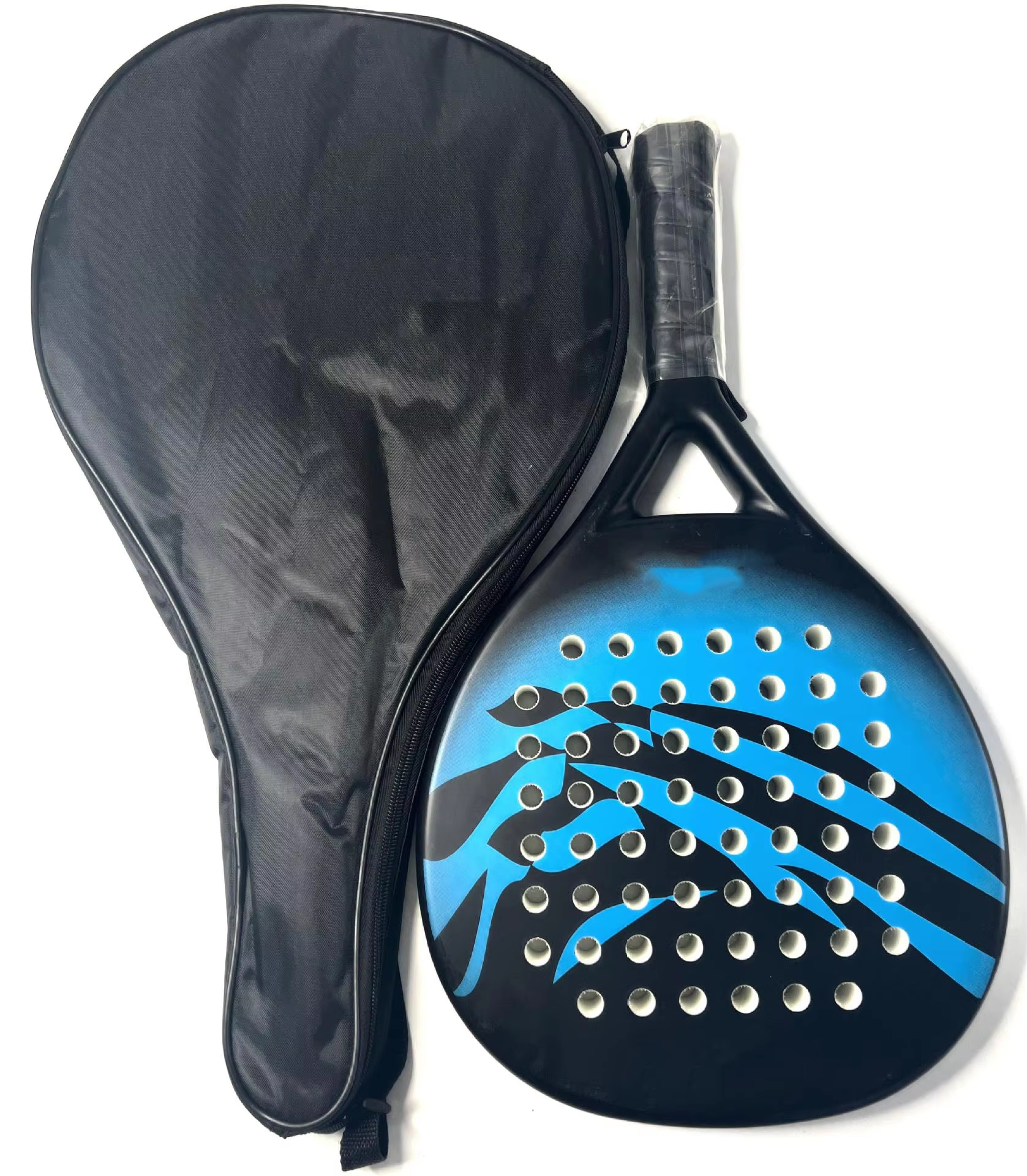
Racket head protective tape does its job in a somewhat unorthodox way. To maximize its protective capabilities, the tape head should be facing the ground. This allows the head to absorb impact shock during splits and groundstrokes while the tape protects from direct scratches. The right way to use the tape also includes the following points:
Racket head protective tape should not be starting too far back from the edges. If too much blank space is left, the protective tape will lack the shock absorbing feature tape is intended to provide.
If the impact tape is supposed to absorb does not come from direct ground contact during the tape on the head, and the racket will have to face the ground while finishing groundstrokes, the tape should be on.
Applying the tape not too far back from the edges is difficult, and doing it along the edges is easier. However, going right along the edges results in the loss of protective features of the tape.
It is easier to teach playing on the with a racket prescriptive tape than to explain how the tape is supposed to be used. In the case of net play and volleys, the tape should orient facing the net. The tape should always be down and the edges facing down when it is used to face the net.
Choosing Right Racket Head Protective Tape
Choosing protective tape for your racket is just as important as picking a protective tape for your racket. Quality tape is made out of polyurethane, rubber, adhesive, and other durable protective tape materials. Quality tape does not lose its fabric even after several collisions. The second important factor is stickiness. The protective tape doesn't leave any sticky finish and can be removed even after a intense use. The protective tape also needs to be of an appropriate thickness. If the protective tape is too thin, not enough protection is given, but if it is too thick, the performance of the racket is negatively impacted. Experts also recommend protective tape of racquet materials for added protection. Certifications also help when deciding on which protective tape to choose.
Step by Step Application Guide for Optimal Protection
While applying tape to the edges of a racket head, integrity of the product is just as critical as the tape itself. Access the head of the racket by cleaning the edges with a mild wipe with alcohol to ferret out any dust, oil, or reside from sweat. After cleaning, it is best to find a measuring tool to circle the racket head. Clean the edges and then use the measuring tape to accurately cut your piece of tape. Allow for some overtape, a length of approx. 1 centimeter, to ensure complete coverage of the head of the racket. When applying the tape, begin from one side and then edge the foil of the tape to the edges of the head of the racket. Be sure to secure the tape with the desired tension so to ensure there is no bubble or wrinkle. For the consistent racket player, I advise that you use a cloth to lightly rub the edge of the tape to make sure the tape is solid. Using the racket is inadvisable for at least one hour, to ensure the adhesive is set.
Data Backed Benefits of Extending Racket Lifespan
When evaluatng the effects of using protective tape on the lifespan of rackets, the results show a tangible impact backed by data. From the equipment analysis and player observations, it was determined that rackets with protective tape will last 40-60% longer than rackets without tape. This is particularly important with rackets made of premium materials such as 3k or 12k carbon fiber which is extremely light but can be brittle and shatter with direct impacts. Protective tape prevents damages and decreases the chance of fatigue on the material. Casual players do not have a need for a racket as often because they will save money from the need of more rackets. For players at a higher level, such as professional players or players which are serious enthusiasts, they will be able to preserve the consistent performance of their rackets for an extended period of time. Moreover, with protective tape on rackets, players will maintain the resale value of the rackets which is an additional reason why using protective tape is a more than worthy investment from the equipment standpoint.
Helpful Ways to Reduce Protective Tape Maintenance
To maintain your racket head protective tape, staying organized and keeping track of your tape is important. Inspect your tape before each use. If your tape is damaged, moistened, or compromised, it needs to be replaced. Doing this ensures your tape will not trap moisture or debris that will harm the frame of your racket. Protect your taped racket from extreme weather and hot or cold environments, as both can weaken the adhesive. Mold and mildew thrive in humid conditions, so the reels will need to be wiped with a dry cloth to remove moisture after every use. When your tape needs to be replaced, this should be done every 3 to 6 months depending on how often you use the tape. If you use the tape more often, you should replace your tape more often.
The Importance of Racket Head Protection Tape
Myths surrounding protective tape covering the heads of rackets come in several forms, and let's set the record straight. Some people believe that covering the heads of their rackets with protective tape affects the performance of their rackets. Tape that is specifically made for covering the heads of rackets is designed to impact the balance and aerodynamics of your racket. Some people think that protective tape is only for the beginner players. Racket head protective tape is used by professional players who constantly use and travel with their rackets to competitions and practices. Some players think that the more protective tape you put on the head of your racket, the better. The more tape you put on, the more weight you put on the racket. The best way to achieve a proper balance and aerodynamics for your racket is to put a single layer of tape on. Now that the myths surrounding protective tape covering the head of rackets are set straight, players can make proper and informed decisions when it comes to protective tape covering the head of their rackets.