 EN
EN

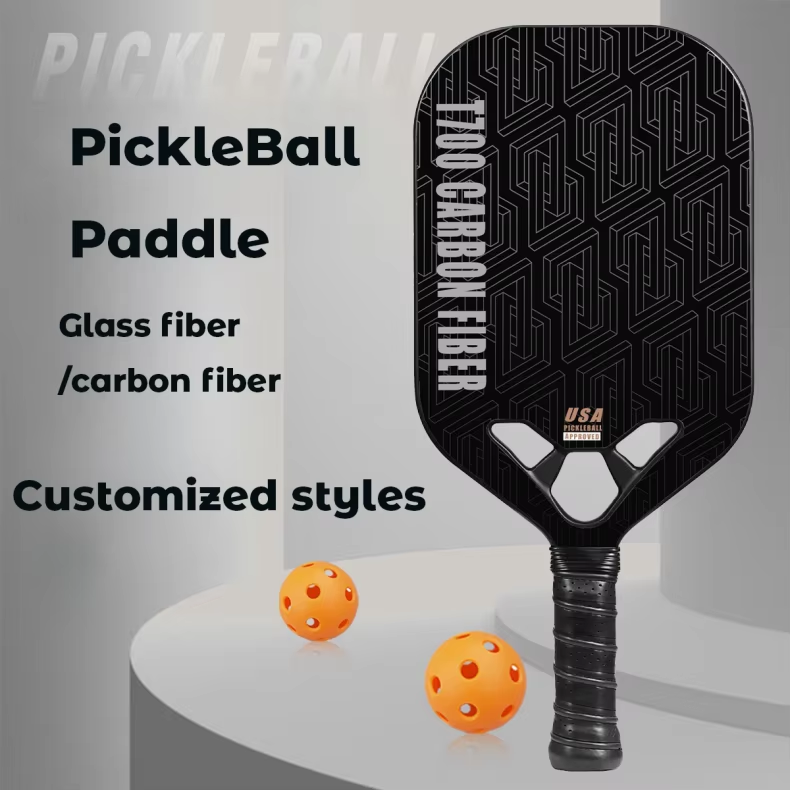
The sport of Pickleball is on the rise in North America and well-customized Pickleball paddles are now a necessity for brands, sports teams, and corporate wellness programs. Logos can transform equipment into marketing opportunities, but only if done right.
Basics of USAPA Logo Compliance
All custom logo projects must first comply with the USA Pickleball Association (USAPA) regulations, the most prestigious qualifier for tournament-legal equipment. Each logo must not exceed 25% of the surface area of the paddle and each logo must be placed non-competitively to ensure no logo is reflective. USAPA rules provide that no logos can adversely affect the weight balance or create a surface that is too rough or fair to spin the ball. Logo paddles are subject to a thickness test and visual inspection to ensure paddles are logo compliant. Disregarding the USAPA rules can lead to disqualification and this is not the fate any brand hopes for with their custom orders.
Methods of Applying Core Logo
Different methods of application will suit different needs. If a player is looking for something specific and durable, laser engraving is best for them. This option is the only one that will withstand the wear and tear of 2000+ hits and is justified to cost more. This is because it uses laser beams to etch and mark the surface of the carbon fiber paddle, which is a top tier choice for players. For glass fiber paddles, UV printing is a great option. Combined with the LED curing to ensure ink adhesion, a clear top coat will UV increase anti-scratch by 60% for each logo. Screen printing is the most affordable option if you are looking to order 500+ units and want to integrate a logo on both paddle glass and fiber paddles while ensuring that your paddle is protected with a clear coat from chipping in carbon fiber paddles.
How to Prepare for Logos to Stick Right
No matter how good the printing method is, the printing method will not work without good prep. The best way to clean the paddle surface is with isopropyl alcohol to remove oily and dusty surfaces. Not cleaning with isopropyl alcohol is responsible for about 80% of the adhesion issues. For the smooth carbon fiber, lightly sand the logo area with 400-grit sandpaper to create a micro texture. This step is not necessary for the glass fiber, as that material will always have a natural pore surface. For the design side of the paddle, always use vector images. Using raster images will create a blurry paddle because the image will pixelate. For Dark colored paddles, one of the bases of the UV Printing is a white ink base layer. This is necessary for obtaining true Pantone colors. This will aid in obtaining highly contrasting logos for use in outdoor copying.
Real World B2B Case Study
In the third quarter of 2025, a manufacturing client based in the Midwest ordered 500 bespoke carbon fiber paddles for their employee wellness program. Custom logos were printed with UV technology and the logos began to peel after two weeks. Laser engraving was a successful solution, and the company noted a 40% increase in employee engagement in company sponsored pickleball leagues. After the campaign, 75% of employees who received a paddle remembered the company’s logo. Following the campaign, the company reordered 300 paddles to be given to clients. This case demonstrates that campaign success and repeat orders are largely influenced by the right logo printing method.
Increased Brand Value with Custom Logos
In addition to being branded, custom logos provide the company with a toolkit to generate measurable results. For sports teams and clubs in the amateur leagues, a custom paddle design enhances team spirit and fosters a sense of belonging. It is a key differentiating factor for retailers, giving them an advantage over others selling commoditized paddle products. Most paddle boards now retail for 15 to 20% more than others in the marketplace due to their branded merchandise. Corporate clients see logoed paddles as affordable and high-value marketing collateral due to their appeal across all generations. This is a far greater value than the giveaway of a branded pen or mug.
Final Quality Control Checklist
Before shipping out the logoed paddles, we must pass three quality control tests for each batch. The first quality control test we do is called the tape test to check if the logo gets damaged. Apply some industrial-grade masking tape over the logo, pull it and check for some logo ink and some logo pieces. The second quality control test is called the balance test to check if the logo adds more than 5 grams to the weight of the logoed paddle. The third quality control test is called the USAPA verification to check the size, position, and reflectivity of the logos to make sure they line up with the USAPA rules. For bulk orders, we do random sampling of 10 percent of the units in order to improve uniformity in the units. This step has decreased the returns from customers in previous projects by 90 percent.
Conclusion
Logos on custom pickleball paddles involves a lot of compliance and engineering. If you use the right finishing USAPA balance control method and invest in quality control, you will make a product that will help your brand and perform well on the court. The 2025 corporate case study provides evidence that if you do everything right, custom paddle logos can be high-end equipment and with quality marketing tools. For the corporate campaign and tournament team, the logos have to represent the balance between technique and brand to make sure that the logos do not stand out for the wrong reasons.