 EN
EN


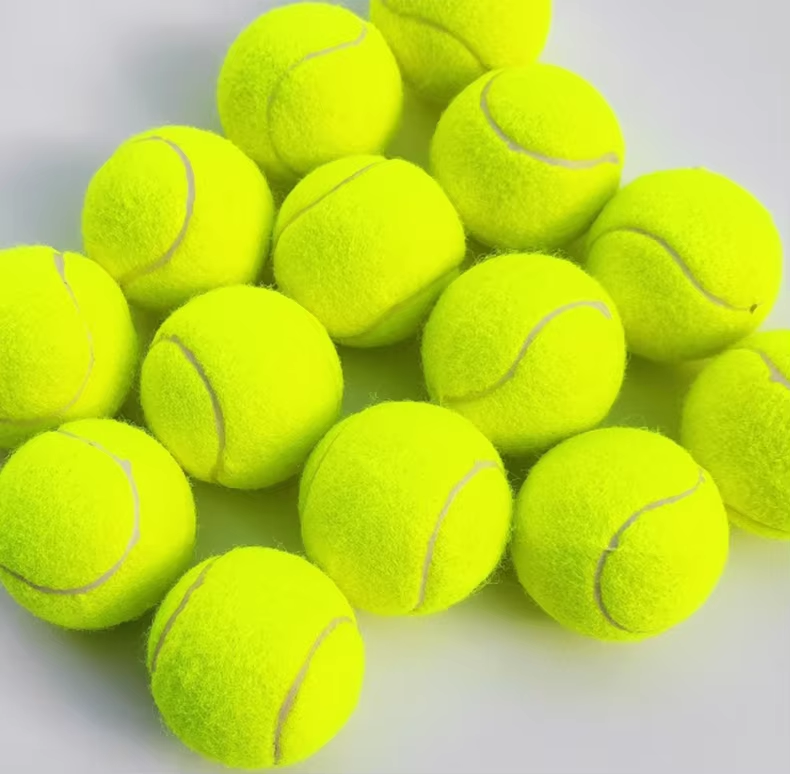
With the number of tennis balls used by tennis players out on the court every single day, it's worth discussing how long does a tennis ball last. You can consider yourself a casual tennis player who only plays on the weekends, or a dedicated tennis enthusiast who trains regularly, the number of tennis balls you have can directly affect your game. All tennis balls have a set number of bounces that they can sustain, and after that number is reached, the ball can become dangerous to use because the ball could potentially hit a player, and because the ball can lead to injuries if the player uses it. Collaborating with various tennis players and clubs, we have observed how quality tennis balls improve tennis players' games while reducing costs. Let's examine what factors affect the longevity of tennis balls and how to utilize your tennis balls effectively.
Key Factors Influencing Tennis Ball Lifespan
Although a tennis ball does have a life expectancy, it is determined by three factors: quality of the material, usage conditions, and how they are handled. Starting with the materials used, the core of a tennis ball is a rubber bladder. An ideal tennis ball is one with a rubber core that has a tight air-sealing. An air-sealing core that is of rubber gets rid of air that causes the ball to bounce less, and the higher the quality of the rubber bladder, the less air will be lost. The fabric on the outside of the ball, known as felt, is dense and wears on rough surfaces like asphalt and clay. Good quality felt will not lose air, while poor quality felt will lose air and granules.
Having the right equipment is very important, although the weather and environment can impact your equipment and its performance. Hot and humid weather can make rubber degrade quicker, and colder temperatures can make rubber stiff. We partnered with a beach tennis club in Florida and the players were able to notice that their balls were losing their bounce after about 3-4 matches. After we switched to balls with reinforced bladders and UV resistant, the felt life span extended to about 6-7 matches. Other material upgrades do make a difference. In addition, competitive play often requires a lot of high-impact hits that wear down the bladders. This means that players on teams with intense training schedules will experience shorter lifespans on their equipment.
How to Assess the Condition of Your Tennis Balls
Knowing when a tennis ball is past its prime is important to avoid the equipment performing poorly. There is a test that professionals and experts do to test the quality of the tennis balls, and it will rely on the simple theory of bounce. To do this, you will want to raise the ball to shoulder height (roughly 1.5 meters) and drop the ball onto the court. If it is a newly pumped ball, it should bounce back to about the height of your waist (70-80% of the drop distance). If the ball does not bounce back to your knee height, you should replace it.
Another test involves pressing the ball between your thumb and forefinger. A good ball should feel firm yet slightly yielding — if it's rock hard or squishy, the bladder is either over inflated or leaking. Checking the felt is also advisable: if it's bald, frayed, or peeling in patches the ball will struggle to grip the court, leading to unpredictable bounces. These tests align with the quality control standards used for all sports equipment, ensuring consistency and reliability for players.
Professional Tips to Extend the Lifespan of your Tennis Balls
With the right care, you can significantly extend a tennis ball’s lifespan. Storage is critical -- keep them in a cool, dry place (ideally 15-25°C) and avoid leaving them in hot cars or damp bags. Extreme temperatures damage rubber, while moisture promotes mold growth on the felt. Using airtight containers to preserve pressure is recommended; some players even add silica gel packets to soak up moisture.
Usage habits matter too. Match balls are meant for high attainment in competitive settings, so save them for games and use practice balls for training—this reduces unnecessary wear on high-performance balls. Additionally, clay court balls have thicker felt to resist wear and tear, while hard court balls feature more durable rubber. These tips come from years of working with professional athletes and clubs who have refined their gear care routines to maximize longevity. Minimize early wear.
Conclusion
A tennis ball’s lifespan depends on a good ball with good care. High quality materials and thoughtful design lay a good foundation for durability and and how you use and store the balls is equally important. Whether you are a casual player or a pro, using durable balls and putting these tips to use will improve your game and save you money.
A tennis ball's lifespan is not only about how long it lasts, but how it performs during use. You can maximize the lifespan of each ball by learning about factors that impact its durability, as well as the care tips discussed. When it comes time to replace your balls, selecting a trusted supplier with quality and expertise will guarantee you have the gear that is built to perform.