 EN
EN


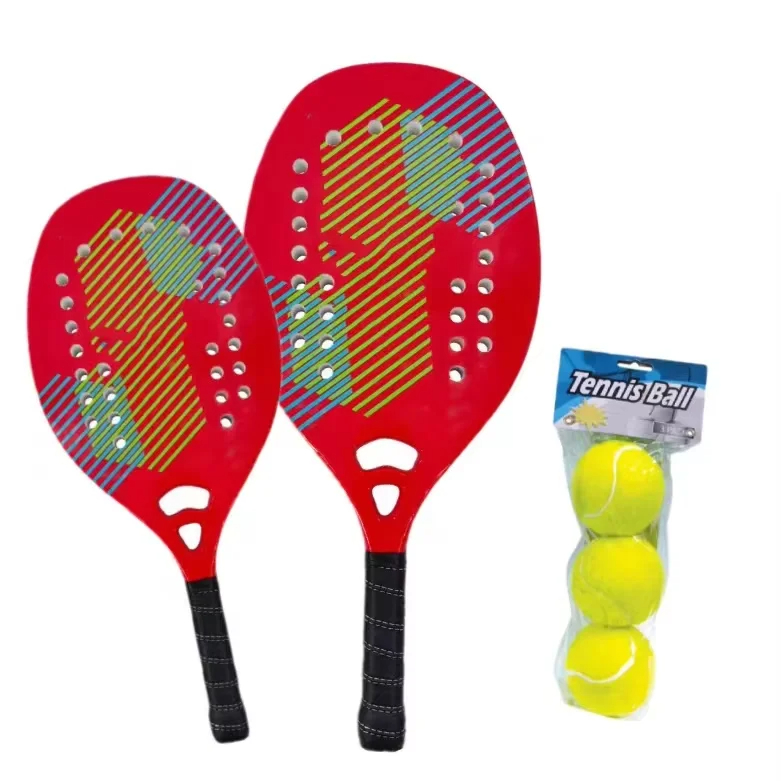
The Effect of Saltwater on Paddles
The beach paddle’s greatest enemies, even beach tennis paddles made of high-end carbon fiber or fiberglass, are saltwater and coastal humidity. Because saltwater is so corrosive, it will weaken and destroy a beach tennis paddle and eventually cause it to fail. Every time a beach paddle is immersed in saltwater, tiny salt crystals form in the openings of the paddle's frame and its surface layers, which will eventually cause corrosion of the paddle’s internal structure. For paddles made using hot pressing one-piece molding, the internal salt corrosion can also destroy the adhesion of the layers, which will negatively affect the paddle’s elasticity (responsiveness) and its control. The coastal air also leads to the premature degradation of grip tapes and oxidation of the ramps of the paddle, which leads to a deterioration of the paddle’s performance on the court and a decrease in the paddle’s overall lifespan.Coastal Play Cleaning
Cleaning your paddle right after play is vital and should be treated as a rule. To prevent the salt from adhering to the surfaces, clean your paddle using lukewarm, fresh water after every play. Using a microfibre cloth, clean the frame, the face, and the grip. Do not clean your paddle using strong detergent and do not use abrasive materials as your paddle will be damaged. Leaving a salt build up, especially on the grip, will cause more damage than most things. To clean the grip, all soap should be removed after being rinsed. This is the simplest way to prevent salt damage. A large number of professional beach tennis players, who play year round and compete at a higher level, say that damage is reduced by 70% due to cleaning.
Drying Your Salt Affected Paddles
After cleaning, paddles should be airdried and NOT hair dried! Avoid high temperature areas and direct sunlight. Saltwater in the paddle crevices will expand with heating, causing micro-cracks in the paddle material. Store the paddle in a cool, well-ventilated area with the paddle face up and leave it to dry for 24 hours at minimum before reusing or storing. For paddles with absorbent grip tape, be sure to dry the grip tape first, as it will be slippery and uncomfortable to hold, and it will harbor salt.
Long Term Storage in Coastal Environments
Coastal environment players need to be concerned about salt fog and humidity damage and the best way to prevent it is through storage. Consider using a breathable fabric bag instead of a sealed plastic bag when storing paddles as plastic bags trap moisture and speed up the process of corrosion. To protect the paddles from humidity, place a silica gel packet in the bag. Replace the packet every 30 days for continued protection, and for best results, store the paddles in a room away from the wind, windows, and the outside coastal breeze. Inspect the grip and frame monthly to look for salt damage. Look for white, salt-like crystals, and examine the frame for discoloration. Old grip tape can transfer salt to the paddle handle and should be replaced immediately.
Learn From the Best Who Do Maintenance in the Real World
We interviewed professional beach tennis athletes who compete in the Florida and California coasts. They take care of their paddles religiously. They use 12K carbon fiber paddles, and their maintenance routine is as follows: After each match, they rinse their paddle in clean water and wipe it clean with a microfiber cloth. They leave it to dry in the shade outside for an hour, then they bring it inside to dry fully. They change their grip tape every two months and apply surface tape protectant every three months. Patio paddles without maintenance last for about 6-9 months. These athletes know the average lifespan of paddles and have this routine with their paddles for 18 months. This goes to show that maintenance is vital and increases the lifespan of your paddles.
Paddle Care As Per USAPA Standards
All paddle cleaning and caring practices should be compliant with USAPA Standards so that the paddle remains compliant to be used in any USAPA sanctioned tournaments. Do not use any abrasive materials or chemicals which may affect the surface of the paddle, either changing the texture or the dimensions of the surface. These could lead to the paddle being banned from use in tournaments. Using protective and cleaning products recommended by the paddle manufacturers helps to avoid disqualification and also helps to avoid any damage the paddle may incur from salt water. Maintaining the majority of paddles can be kept from disqualification and salt water damage by doing upkeep and care relatively frequently. Maintaining pads helps to ensure that the paddles continue to exceed the standards of the USAPA governing body of beach paddle tennis or equivalent organizations around the world.
How paddle care rewards you
Post-play care and cleaning of paddles takes only a few moments, but when done consistently, can dramatically extend the usable life of any paddle, with carbon fiber and glass fiber paddles lasting as much as 2-3 times longer from cleaning and care, than non-cleaned and cared-for paddles. When paddles have care and cleaning done to them, the power and control of the paddles remains, allowing the user to not have to adapt their game to a broken paddle. The maintenance offers cleaning and care of corrosive salt water paddles and maintenance them pays for itself in longer usable life, better performance, and lower cost for paddles.