 EN
EN

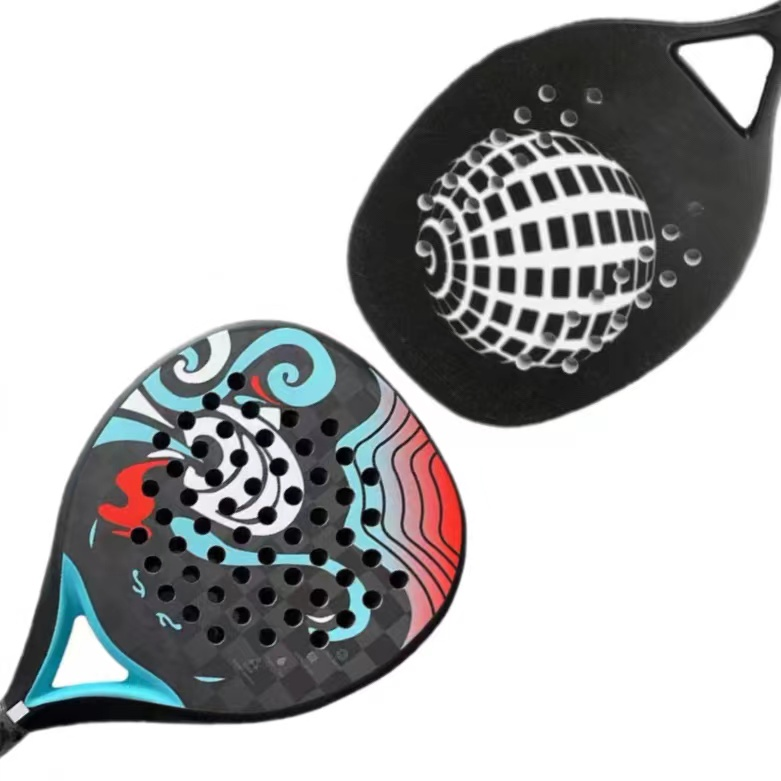
Material Quality Drives Core CostsCore costs of custom tennis racquets are determined by the materials the racket is made of. The market also defines the price brackets of racket materials concerning the expected performance from the racket. For example, Fiberglass is the lowest tier material— cheaper, and ideally suited to recreational players who want to spend as little as possible, and don't mind skipping the higher performance materials. Serious players are served by carbon fiber. The most basic grade carbon fiber of T700, Kevlar and carbon, 3K, are serious players in the racket industry because of the lightness and high strength of T700, and better rigidity and force-transmission. 12K and 18K carbon have greater costs 3k carbon offers grip and control, and T700 carbon, and Kevlar, facilitate more than one of their high costs. Raw material costs are usually 40 to 60% of the price of a custom racket, and premium carbon grades provide a wider gap. Fiberglass costs are 3 to 5 times lower than premium carbon grades.
The same gap is consistent with carbon fiber pricing globally
ManufacturingCraftsmanshipImpactsPricingCraftsmanship is another key factor that pushes custom racket costs up or down, with two main molding methods dominating the industry: hot pressing one-piece molding and cold pressing molding. Hot pressing creates a seamless racket frame with no weak points, which requires high-temperature equipment and precise process control, leading to a higher production cost and a longer production cycle. This method is used for high-end custom rackets for professionals, as it delivers unbeatable structural stability. Cold pressing molding is more efficient for batch custom orders, with lower equipment and labor costs, making it suitable for recreational players or bulk custom requests. The labor cost for hot pressing is nearly double that of cold pressing, and the material waste rate for hot pressing is also lower, which is a hidden cost factor that many buyers overlook. A well-made hot-pressed custom racket can last two to three times longer than a cold-pressed one, justifying the higher upfront cost for those who play regularly.
Customization Specifications Shape Cost Variations In the world of customization, the ability to personalize is almost endless. Everything, from physical changes to incorporate some of the player’s personal design ideas, influences the overall cost. Simple changes are an increase of a few dollars due to the slight changes in the way the goods will be produced. While more advanced changes, such as a specific measurement of a frame’s thickness, custom coloring, and specific tension of the strings, require a good amount of R&D to be completed and will cost much more. It is common for professional players to request completely custom specifications based on their playing style. For example, a baseline player would require a much heavier racquet frame, while a net player would prefer a much lighter swing frame to increase their net play. These specifications require prototype testing and repeated adjustments, which add to the time and cost of the request. More advanced customization tends to add 10 to 20 percent to the base price, while customizations based on the professional player's specifications may alter the total cost by two to three times. It all depends on the cost of custom production of the industry.
Certification Compliance And Added Value
For US and European Market players and customers, USAPA certification is an additional cost that is applied to custom racket pricing. With the certification process, there are application costs, product testing costs, and annual compliance audits, which are all a part of the norm of the sports equipment industry. A custom racket that is USAPA certified ensures that the product is compliant to meet the international playing standards, and is therefore eligible for official tournaments that uncertified rackets cannot offer. The certification cost is a one-time cost that costs about 5 to 10 percent of the total custom racket price, and is for a specific racket design. If there are minor changes to that design, then it requires additional testing and re-testing to be done, which will cost additional fees. All custom rackets that are certified will have the USAPA label that is recognized and of quality to all of North America and Europe.
LongTermValueJustifiesCustomCosts Custom-made tennis rackets have a greater up-front cost than rackets that can be purchased off-the-shelf. However, for serious players, custom rackets provide a much greater long-term value. Many customers from overseas are repeat buyers, and one of our regular clients asserts that their custom racket has lasted 4 years, without structural issues, whereas their off-the-shelf tennis racket needed to be replaced once a year. Custom rackets are better for players because of the way the middle of the racket is constructed. A custom racket will be built around a player’s own body and their style of play. This will not only enhance their performance by increasing their leverage and swing speed, but will also decrease the chances of sports related injuries or tennis elbow from rubbing and wearing down the skin on their forearms with an injury and violating the skin barriers. Therefore the cost of a premium custom racket ultimately works out to a better price than a cheaper off-the-shelf racket after just a few years of use. Additionally, custom rackets provide added brand value, which, for bulk buyers, such as tennis clubs, makes the custom cost a justified marketing expense.
Closing Thoughts
The most important thing to keep in mind when budgeting for a custom-built tennis racket is to ensure that the level of customisation matches your level of play. For recreational players, customisation can be kept fairly low by using materials like fiberglass or 3K Carbon, utilising cold-press moulding techniques, and using fewer custom options. For more serious players or professionals, it is worth spending more for hot-pressing craftsmanship, higher-grade carbons, and USAPA certifications. To avoid unnecessary costs, suppliers can give you additional information, but you will have to be clear about your style of play and how you intend to use the racket.